Unlocking the Mysteries of Kitsault BC
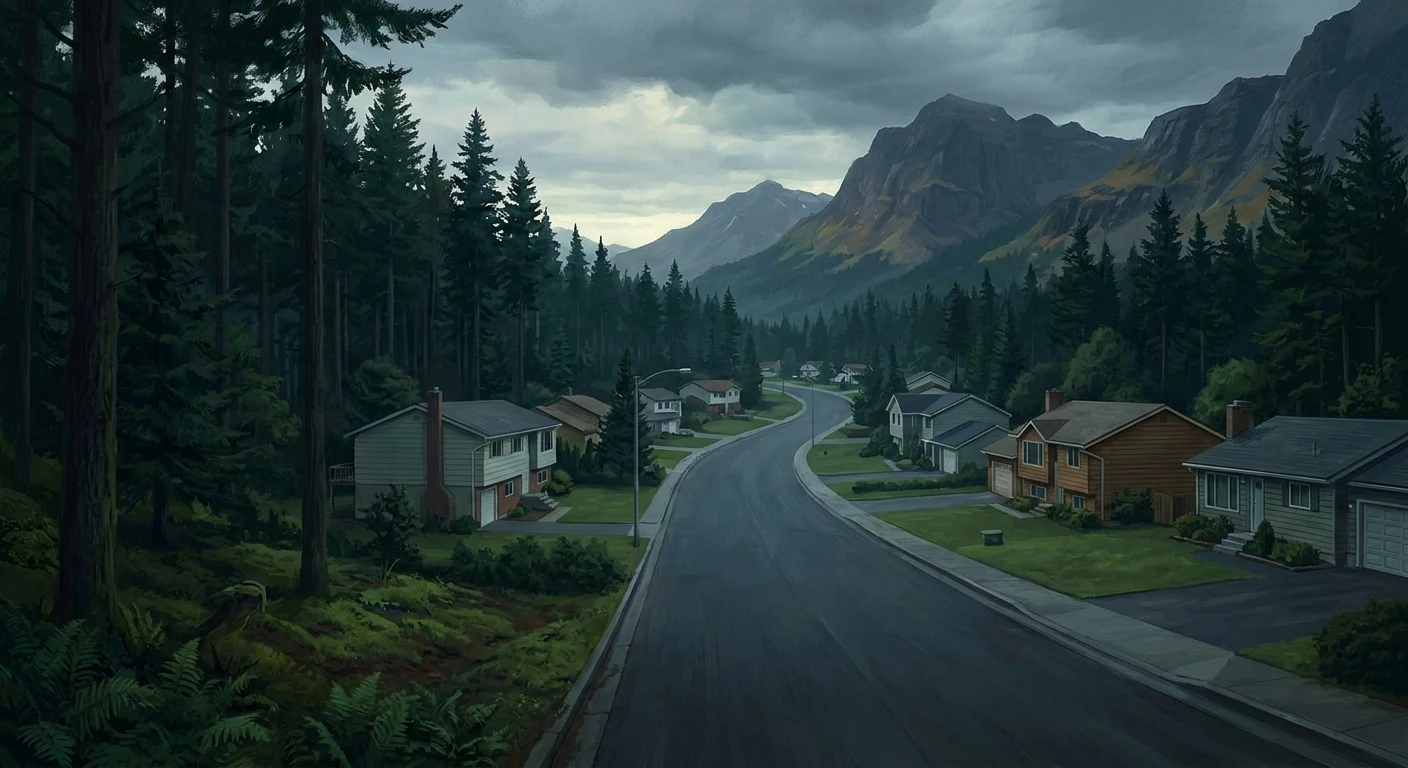
The perfectly preserved ghost town of Kitsault BC stands as a fascinating monument to the unpredictable boom-and-bust cycles of the global resource economy. Nestled deep within the rugged terrain of the North Coast of British Columbia, this remote settlement is entirely unlike traditional decaying, weather-beaten ghost towns. Instead, researchers and logistics professionals who investigate the site find intact houses, a pristine shopping mall, a state-of-the-art recreation center, and paved roads that look as though the residents simply vanished overnight. Built in 1979 to house the workers of a highly lucrative molybdenum mine, the community was engineered to be a modern utopia in the coastal wilderness. However, extreme fluctuations in the global commodities market forced the mine’s closure a mere eighteen months after the town’s completion. The abrupt evacuation left behind a perfectly manicured neighborhood that remains largely untouched to this day. Understanding the legacy of this location requires a deep look into resource economics, specialized corporate town planning, and the ongoing efforts to repurpose massive stranded assets. This comprehensive examination details the precise historical timeline, the underlying metallurgical science, and the complex future proposals for one of Canada’s most surreal geographic anomalies.
The unique value proposition of studying this specific settlement lies in its pristine condition, offering urban planners and historians an unparalleled, life-sized time capsule of late-1970s architectural and infrastructural design. Unlike other abandoned settlements that suffer from heavy natural erosion or deliberate demolition, this location has been actively maintained by caretakers. This preservation provides at least two major distinct examples of historical and structural value. First, the residential housing tracts remain structurally sound, allowing engineers to study the long-term durability of 1970s construction materials in harsh, damp, northern coastal climates. Second, the commercial and municipal buildings—including the fully equipped hospital, library, and community center—demonstrate the comprehensive nature of corporate-funded remote town planning. These structures were designed not just for shelter, but to attract and retain highly skilled metallurgical workers by offering urban luxuries in an extremely isolated environment.
Read also: Cultus Lake Drowning: Essential Water Safety Protocols; Honda Motocompo: The Ultimate Vintage Folding Scooter Guide.
To fully grasp the magnitude of the infrastructure left behind, we can examine the specific facilities constructed during the initial boom phase.
| Infrastructure Element | Original Purpose (1979) | Current Preservation Status |
|---|---|---|
| Residential Housing Units | House miners and their families in suburban comfort. | Highly intact; roofs and foundations actively maintained. |
| Medical Hospital | Provide acute care and emergency surgery for industrial accidents. | Equipment remains inside; building secured and structurally sound. |
| Recreation Center | Offer swimming, curling, and cinema entertainment for morale. | Empty of water but perfectly preserved, preventing rot. |
| Underground Utilities | Deliver reliable power, water, and sewage management. | Systems dormant but heavily protected against catastrophic freezing. |
The rapid abandonment of the settlement was not due to a failure in construction, but rather a sudden alignment of negative macroeconomic factors. The collapse of the community can be attributed to several primary causes:
- A severe global recession in the early 1980s that drastically reduced the industrial demand for high-strength steel alloys.
- The sudden crash in the spot price of molybdenum, which fell from over thirty dollars per pound to less than five dollars in a matter of months.
- The immense logistical costs associated with maintaining a remote, boat-access-only municipality when the primary revenue-generating asset was no longer generating profits.
- Rapid corporate restructuring by the parent mining company, AMAX, which decided that cutting their losses and evacuating the population was more fiscally responsible than waiting for an unpredictable market rebound.
The Origins of Molybdenum Mining in the Region
The geological history of the Alice Arm area is rich with rare mineral deposits, but it was the specific identification of massive molybdenum reserves that triggered large-scale industrial interest. Molybdenum, a crucial element used in the creation of high-strength steel alloys for military, aerospace, and construction applications, experienced a massive surge in demand during the late 1970s. Exploratory drilling confirmed that the ore body located on the North Coast was not only vast but uniquely accessible through open-pit mining techniques. The American mining conglomerate AMAX secured the rights to the land and committed over two hundred million dollars to develop the site. This immense financial commitment required more than just heavy machinery; it required a highly trained workforce that would only relocate to such a harsh, remote environment if their families were guaranteed absolute comfort and safety. Thus, the concept for a self-sustaining, luxurious corporate town was born, laying the foundation for an unprecedented civil engineering project.
The Evolution of the Town’s Infrastructure
Building an entire municipality from scratch in an area completely inaccessible by traditional highways required a logistical miracle. Massive barges transported pre-fabricated housing materials, heavy steel beams, electrical grid components, and even luxury goods up the coast from Vancouver. The town was designed using advanced urban planning principles, featuring cul-de-sacs to reduce vehicle traffic, underground wiring to protect power supplies from harsh winter storms, and a centralized commercial district to foster community interaction. During its brief peak, the settlement housed over twelve hundred residents. The hospital featured state-of-the-art surgical theaters, and the recreation center boasted a heated swimming pool, a full-sized gymnasium, and a cinema. The rapid evolution from an empty coastal wilderness to a thriving, modern suburb was a testament to the sheer financial power of the late-20th-century resource boom. However, this absolute peak lasted barely eighteen months before the market dynamics shifted completely.
The Modern State of Preservation
Following the abrupt evacuation in 1982, the gates were locked, but the property was not entirely abandoned to the elements. Professional caretakers were hired to maintain the buildings, mow the expansive lawns, and ensure that centralized heating systems operated at a minimal baseline to prevent pipes from bursting and foundations from cracking in the freezing winters. In 2005, the entrepreneur Krishnan Suthanthiran purchased the entire town for approximately seven million dollars. Since that acquisition, the modern state of preservation has been fiercely maintained. The current ownership envisions utilizing the existing, perfectly preserved infrastructure to support a future Liquefied Natural Gas (LNG) export terminal. By keeping the housing, roads, and municipal buildings intact, the site theoretically offers a turnkey solution for future industrial workforces, bypassing the billions of dollars normally required to establish a remote camp. Until such plans materialize, the town remains a surreal, quiet monument to monumental industrial ambition.
Molybdenum Extraction Techniques
The primary reason for the existence of this remote settlement was the extraction of molybdenum, a refractory metal known for its extremely high melting point and remarkable resistance to chemical corrosion. The mining operation utilized conventional, high-yield open-pit extraction techniques. Heavy explosives were detonated to fracture the bedrock, after which massive electric rope shovels loaded the ore into haul trucks capable of carrying hundreds of tons of material. Once transported to the primary crusher, the ore underwent a complex process of froth flotation. In this highly specialized metallurgical technique, the crushed rock was mixed with water and specific chemical reagents. Air was then pumped through the slurry, causing the hydrophobic molybdenum disulfide particles to attach to the air bubbles and float to the surface, where they were mechanically skimmed off. This highly technical process required precise chemical balancing, constant electrical power, and an abundance of fresh water, all of which had to be continuously managed in an isolated environment. The sophisticated nature of the mill required engineers and technicians with advanced degrees, further necessitating the high-end residential infrastructure.
Environmental Maintenance and Infrastructure Preservation
The ongoing preservation of a completely uninhabited town in a temperate rainforest biome requires continuous, scientifically driven environmental maintenance. Without persistent human occupation, natural forces—such as extreme coastal humidity, heavy annual snowfall, and aggressive plant growth—would normally reclaim the structures within a decade. To combat this, the caretakers implement a strict regimen of moisture control and structural reinforcement.
Key scientific and technical facts regarding the site’s geology and maintenance include:
- Geological Stability: The townsite was deliberately constructed on stable coastal bedrock to prevent the subsidence and sinkhole issues that often plague temporary mining camps.
- Moisture Mitigation: Industrial-grade dehumidifiers and low-level ambient heating systems are strategically deployed in critical buildings, such as the hospital and recreation center, to aggressively suppress the proliferation of black mold.
- Alloy Strengthening Properties: Molybdenum (atomic number 42) is primarily used because adding just a small percentage to steel increases its structural strength under extreme temperatures by up to 30%, making it vital for oil pipelines and jet turbine engines.
- Drainage Engineering: The original underground storm water drainage systems must be continuously cleared of pine needles and sediment; otherwise, the heavy coastal rainfall would cause localized flooding that could compromise the concrete building foundations.
- Corrosion Resistance: Much of the exposed metal infrastructure was coated with advanced zinc-based anti-corrosive paints in the 1970s, which have remarkably withstood decades of salty oceanic air.
While casual tourists cannot simply drive up and walk through the town due to strict private property laws and massive geographic barriers, researchers, documentarians, and industrial investors often study the region. For those conducting professional academic or economic research regarding remote resource towns, developing a comprehensive preparation strategy is absolutely essential. The following seven-step guide outlines how professionals approach the logistics and geography of this unique coastal anomaly.
Step 1: Map the Alice Arm Location
The first step in understanding the region is mapping its exact coordinates along the remote Alice Arm of Observatory Inlet. The area is located approximately 115 kilometers north of Prince Rupert. Analyzing topographical maps reveals the sheer cliffs and deep fjords that naturally isolate the region, making traditional overland highway construction nearly impossible and fully explaining the original reliance on maritime shipping.
Step 2: Understand the Private Ownership Rules
It is legally vital to recognize that the entire municipality is privately owned. Attempting to trespass is strictly illegal and physically dangerous due to the geographic isolation. Researchers must formally contact the holding company, Kitsault Resorts Ltd., to request official permission, present their professional credentials, and outline the specific academic, journalistic, or commercial purpose of their proposed inquiry.
Step 3: Study the Regional Weather Patterns
The climate of the North Coast is notoriously unforgiving. The region experiences heavy precipitation, extreme winter winds, and dense coastal fog. Professionals planning a theoretical fly-over or permitted visit must study historical weather data to identify brief logistical windows in late summer when maritime or aerial navigation is statistically safest.
Step 4: Research the Coastal Access Routes
Because there are no commercial passenger roads connecting the site to the provincial highway grid, access is entirely dependent on private boats, heavy barges, or chartered floatplanes. Logistics planners must coordinate with specialized marine transport companies in Prince Rupert or Terrace, ensuring that vessels are properly equipped for the treacherous waters of the Portland Inlet.
Step 5: Review the Proposed LNG Terminal Plans
To understand the future economic potential of the site, researchers must deeply analyze the complex proposals for the Kitsault Energy project. This involves reading provincial environmental assessment reports, studying the global demand for Liquefied Natural Gas, and examining how the pre-existing housing could drastically lower the initial capital expenditure for a brand-new export facility.
Step 6: Examine the Local Flora and Fauna
The wilderness immediately surrounding the town is home to robust wildlife populations, including grizzly bears, black bears, coastal wolves, and cougars. Any professional field team operating in the vicinity requires extensive wilderness survival training and strictly enforced wildlife conflict avoidance protocols, as the lack of a permanent human population has allowed local wildlife to reclaim the perimeter.
Step 7: Prepare for Remote Communication Limitations
The extreme isolation of the area means that standard cellular network towers are completely nonexistent. Professional teams must secure highly reliable satellite communication devices, establish rigorous daily check-in protocols with mainland authorities, and deploy redundant emergency power supplies to ensure continuous contact in the event of an unexpected medical crisis.
The overarching mystery surrounding this location has naturally generated numerous internet rumors and vast misconceptions over the decades. It is critically essential to separate structural fact from speculative fiction.
Myth: The town is a traditional decaying, rotting ghost town that anyone can freely explore on a weekend road trip.
Reality: It is strictly private property, heavily guarded by permanent caretakers, and the buildings are actively maintained, heated, and locked, effectively preventing the decay seen in typical abandoned pioneer areas.
Myth: The area was evacuated because of a massive toxic chemical spill or an undisclosed radiation leak.
Reality: The sudden evacuation was entirely economic. A massive, catastrophic crash in the global price of molybdenum made the mine financially unviable, forcing the parent company to close operations purely to stop massive financial bleeding.
Myth: The settlement is completely haunted and overrun with unexplainable paranormal activity.
Reality: While its sheer silence is undeniably eerie, the site is simply an exceptionally quiet, empty corporate subdivision. The unsettling feeling visitors report comes entirely from the psychological cognitive dissonance of seeing pristine suburban houses surrounded by hundreds of miles of untamed, deadly wilderness.
Myth: The Canadian government directly owns and manages the town as a protected historical park.
Reality: The entire property was legally purchased by a private entrepreneur, who fully controls all access and actively holds the strategic vision for its industrial redevelopment.
Where is Kitsault located?
It is precisely situated on the Alice Arm of Observatory Inlet on the deeply remote North Coast of British Columbia, Canada, far removed from the primary provincial highway network.
Who owns the town?
The property is entirely owned by Kitsault Resorts Ltd., a holding company controlled by the entrepreneur Krishnan Suthanthiran, who officially purchased it in 2005.
When was the settlement built?
Construction of the sprawling municipality was fully completed in 1979 to exclusively support the workers of the massive nearby AMAX molybdenum mine.
Why was it abandoned so quickly?
The global price of molybdenum crashed dramatically in the early 1980s, instantly rendering the expensive, remote mining operation highly unprofitable, leading to a rapid, complete evacuation in 1982.
What was mined there?
Molybdenum, an incredibly valuable refractory metal used primarily to strengthen specialized steel alloys for critical aerospace and industrial applications, was the sole focus of the operation.
Is it a true ghost town?
While technically defined as a ghost town because it lacks a permanent resident population, it defies the traditional definition because the infrastructure is actively preserved, physically heated, and locked rather than left to rot in the elements.
Can tourists visit the site?
No. It is strictly private property, and any uninvited visitors face significant legal trespassing penalties and massive physical dangers due to the extreme geographic isolation of the region.
What is the future of the infrastructure?
The current ownership has formally proposed utilizing the intact housing units and deep-water oceanic access to establish a massive Liquefied Natural Gas (LNG) export terminal.
How is the town protected from the harsh winter?
Dedicated professional caretakers live on-site year-round, operating critical baseline heating systems and performing regular exterior maintenance to completely prevent structural failure and damp mold growth.
To summarize, the perfectly preserved ghost town of Kitsault BC is far more than a mere historical curiosity; it is a profound, life-sized case study in macroeconomic volatility, highly resilient civil engineering, and future industrial potential. As global energy demands continually shift, the pristine, empty streets of this forgotten coastal utopia may one day see bustling life again. For anyone fascinated by modern urban planning, harsh resource economics, or hidden geographical wonders, continuing to track the business developments of this unique property is absolutely essential. Subscribe to our updates for further analytical deep dives into the world’s most incredible and secretive preserved locations!