Why Innisfil Beach is the Perfect Lakeside Destination
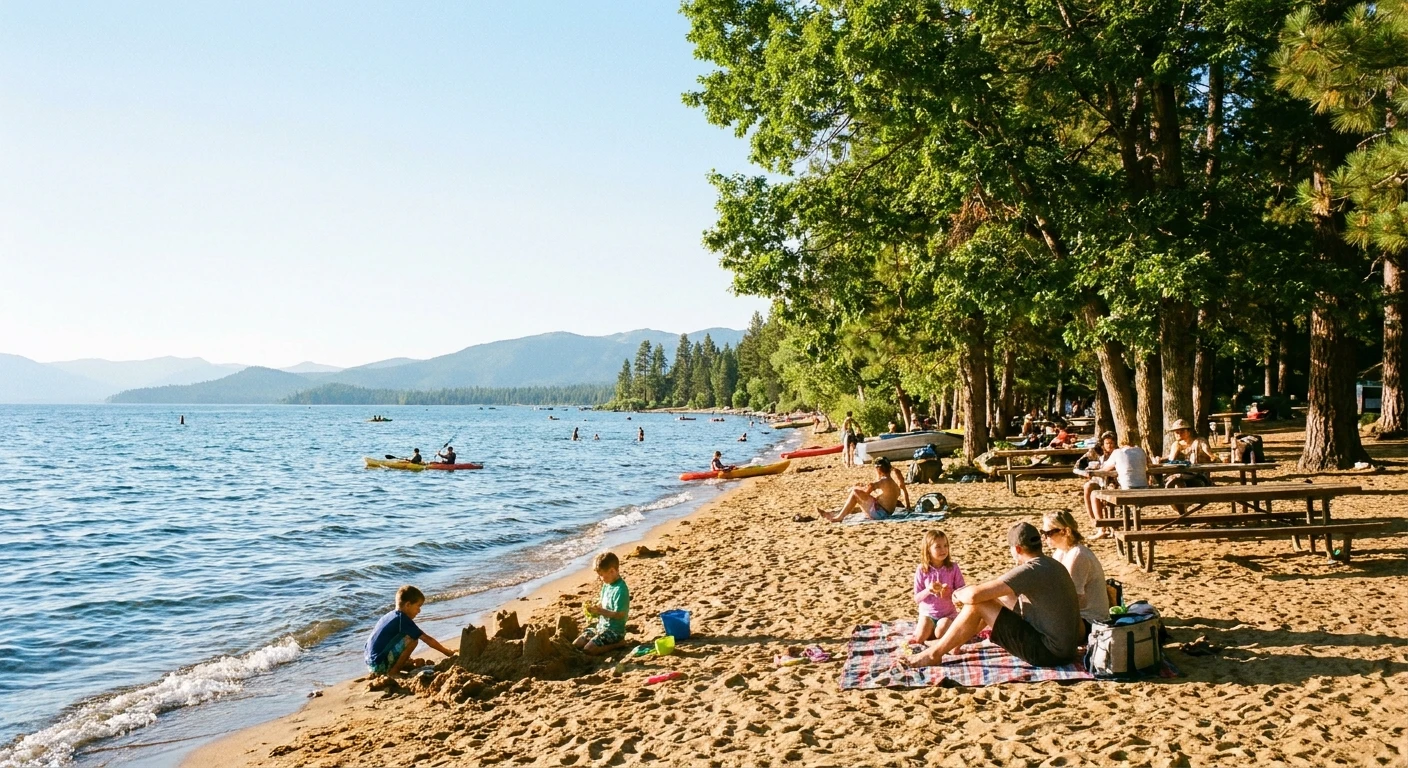
When you are looking for that ideal weekend escape, Innisfil Beach stands out as one of the premier spots along the western shores of Lake Simcoe. Located just a short drive north of Toronto, this expansive 68-acre public park provides everything from sandy shores to sprawling green spaces. You get the perfect blend of natural beauty and well-maintained municipal facilities. The thesis is simple: understanding the layout, local rules, and environmental context of this park ensures a flawless day trip without the typical logistical headaches.
Unlike isolated wilderness areas, this park caters heavily to accessibility. You have paved walkways connecting different zones, ample picnic shelters, and dedicated watercraft launch areas. Whether your goal is swimming, catching some sun, or taking a motorized boat out into the deeper waters of the lake, proper preparation makes the experience seamless. Expect a lively atmosphere during peak summer weekends, with families setting up early to secure the best BBQ spots under the mature shade trees. Let us look at the seasonal changes. While summer draws the biggest crowds for swimming, the shoulder seasons offer incredible tranquility for hiking and photography. Winter even brings ice fishers who use the park as a primary access point to the frozen lake surface.
Read also: Cultus Lake Drowning: Essential Water Safety Protocols; Rundle Park Golf Course: A Complete Guide to the Fairways.
The real value of visiting the park lies in its multi-use design. You do not just get a strip of sand; you get a comprehensive recreational facility. The value proposition is clear: you save time and money by having beaches, boat launches, playgrounds, and picnic areas consolidated into one easily navigable location. Two prime examples of this efficiency are the dual-purpose winter and summer access points, and the fact that you can transition from a rigorous game of beach volleyball to a quiet, shaded woodland stroll in under five minutes.
| Park Zone | Primary Activities | Key Amenities |
|---|---|---|
| North Beach | Swimming, Sunbathing | Washrooms, Change Rooms, Volleyball Courts |
| South Access | Dog Walking, Quiet Picnics | Shaded Pavilions, Walking Trails, Benches |
| Central Marina Area | Boating, Jet Skiing, Fishing | Boat Launch Ramps, Trailer Parking, Docks |
To maximize your time and avoid common frustrations, there are a few essential steps you must take. Planning ahead makes the difference between a relaxing retreat and a stressful parking ordeal.
- Pre-Purchase Parking Passes: Non-residents of the town must pay for parking. Securing your pass digitally via the town’s parking app before you arrive saves you from fumbling at the kiosks.
- Arrive Before 9 AM on Weekends: The park hits maximum capacity rapidly on hot July and August Saturdays. Getting there early guarantees a spot close to the water.
- Pack a Wagon or Cart: The distance from the outermost parking lots to the prime sandy areas can be significant. A collapsible beach wagon makes transporting coolers, chairs, and shade tents much easier.
When you pack your wagon, include extra hydrating fluids, strong UV protection, and a basic first aid kit. The distance from the outermost parking lots to the prime sandy areas can be significant, sometimes taking ten minutes of walking. This proactive approach guarantees that you spend your energy enjoying the cool lake breeze rather than wrestling with logistics. You want your day focused entirely on recreation and relaxation.
Indigenous Roots and Early Origins
Long before modern recreational facilities existed, the lands surrounding Lake Simcoe held deep significance for Indigenous peoples. The Huron-Wendat and later the Anishinaabeg utilized the lake’s rich ecosystem for fishing, transportation, and seasonal settlements. The area that now forms the park was part of a vast network of waterways connecting communities across the region. Acknowledging this history provides crucial context for the ecological and cultural weight of the land you walk on today.
Evolution into a Public Park
As the local municipality grew during the mid-20th century, town planners recognized the need to secure waterfront access for the general public. Private cottage development was rapidly consuming the shoreline, threatening to cut off community access to Lake Simcoe. The town strategically acquired the acreage that would become the park, initially leaving it mostly undeveloped. Throughout the 1980s and 1990s, community demand prompted the installation of formal amenities, including proper washrooms, designated swimming zones, and paved parking lots, transitioning the space from a rugged shoreline into a structured municipal asset.
The Modern State of the Park
Today, the location operates as a highly managed, premium municipal park. Over the last decade, the local government has implemented strict capacity management protocols to protect the environment and maintain the quality of the visitor experience. High-tech parking enforcement, automated ticketing, and improved waste management systems reflect its modern state. Recent investments have also focused on accessibility, adding smooth, wide pathways for wheelchairs and strollers, and upgrading playground equipment to meet modern safety and inclusivity standards. These ongoing modernizations ensure the space remains sustainable, balancing the heavy foot traffic of summer tourists with essential environmental conservation efforts aimed at protecting the lake’s delicate shoreline ecosystem. The careful orchestration of park resources today guarantees that future generations will continue to enjoy this lakeside gem.
Lake Simcoe’s Hydrology and Water Quality
Understanding the water you swim in adds an extra layer of appreciation. Lake Simcoe is part of a complex watershed system. One major technical concern here is eutrophication, a process where excessive nutrients, often from agricultural runoff or urban fertilizers, enter the water, causing rapid algae growth. This algae depletes oxygen levels in the water, which can harm local aquatic life. To combat this, local conservation authorities conduct rigorous, high-frequency water quality testing throughout the summer season. They measure parameters like E. coli concentration and dissolved oxygen. When you see a green flag at the beach, it means the bacteriological water quality meets stringent provincial health standards for safe swimming.
Local Ecology and Biodiversity
The shoreline is not just sand; it acts as a dynamic riparian zone. A riparian zone is the interface between land and a river or stream, but in this context, it refers to the lake’s coastal edge. This area is critical for filtering pollutants before they hit the open water and provides a vital habitat for native species. The root systems of native shoreline plants stabilize the soil, preventing severe erosion during heavy autumn storms. Additionally, the benthic zone, the lowest level of the lake, hosts unique macroinvertebrates that serve as a crucial food source for the local fish populations.
Here are some scientific facts about the local environment:
- Surface Area: Lake Simcoe covers approximately 722 square kilometers, making it a massive thermal mass that moderates local microclimates.
- Water Retention Time: The time it takes for water to completely cycle through Lake Simcoe is roughly 11 years, making pollution control highly critical.
- Sand Composition: The beach sand is largely composed of quartz and feldspar, eroded and deposited over millennia following the retreat of the last glacial maximum.
- Fish Habitats: The shallow coastal drop-offs provide essential spawning grounds for Yellow Perch and Smallmouth Bass.
Step 1: Early Morning Arrival and Parking Setup
Getting to the gates by 8:30 AM is crucial. Download the municipal parking application on your smartphone beforehand. Once you arrive, back into your parking space to make your afternoon departure smoother, and display any required physical resident passes clearly on your dashboard.
Step 2: Claiming the Ideal Spot on the Sand
Walk past the immediate entrance areas, which crowd quickly. Head toward the northern end of the beach for a quieter setup. Lay out a large, heavy-duty tarp under your primary blanket to prevent morning dew from seeping upward, and anchor your shade umbrella securely in the sand.
Step 3: Launching Your Watercraft
If you brought a boat or a pair of jet skis, head directly to the designated launch ramps before the mid-morning rush. Prepare your vessel entirely in the staging area by removing tie-downs and loading gear before backing down the ramp to ensure a fast, courteous launch.
Step 4: Mid-Day Picnic and BBQ Safety
By noon, the sun is peaking. Utilize the designated charcoal disposal bins if you brought a portable grill. Ensure your food station is set up in a shaded area, and keep all perishables heavily iced in insulated hard coolers to prevent rapid spoilage.
Step 5: Navigating the Walking Trails
Take a break from the direct sun at around 2:00 PM and walk the paved interior trails. These paths offer dense tree canopies that provide natural cooling. Wear supportive sandals or light sneakers, as the transition from sand to pavement can be harsh on bare feet.
Step 6: Afternoon Swim and Water Quality Check
Before heading in for your afternoon cooldown, check the official municipal signage near the lifeguard stations. Verify the day’s water testing results. Swim within the designated buoy lines where the lake floor has been cleared of major hazards and drop-offs are minimal.
Step 7: Sunset Viewing and Leave-No-Trace Departure
As the day wraps up, pack your gear strategically. Do a thorough sweep of your area for micro-trash like bottle caps and food wrappers. Position yourself near the eastern shoreline for a stunning, unobstructed view of the sunset reflecting off the water before heading home.
Myth: The water at the shoreline is always too cold for comfortable swimming.
Reality: While early June temperatures can be brisk, the shallow coastal shelf allows the water to warm up significantly by mid-July, often reaching a very comfortable 24 degrees Celsius during late summer afternoons.
Myth: Parking is free and unlimited for all visitors during the week.
Reality: The municipality enforces strict parking regulations year-round. While residents may have specific pass privileges, non-residents must pay hourly or daily rates regardless of the day of the week to fund park maintenance.
Myth: You can bring glass bottles and alcoholic beverages to the picnic areas.
Reality: Glass containers and alcohol are strictly prohibited across the entire park property. This rule is heavily enforced by local bylaw officers to prevent hazardous broken glass in the sand and maintain a family-oriented environment.
Myth: Dogs are allowed to run free on the main sandy beaches.
Reality: Dogs must remain on leashes at all times and are restricted from the main designated swimming areas to maintain sanitary conditions.
Are dogs allowed at the park?
Dogs are permitted in designated green spaces and walking trails but must be leashed. They are not allowed on the main sandy beaches.
Are there public washrooms available?
Yes, there are multiple permanent washroom and change room facilities that are cleaned daily during the summer season.
Can I bring my own BBQ grill?
Propane and charcoal grills are allowed in designated picnic areas, provided you use the safe ash disposal bins.
Is fishing permitted from the shore?
Shoreline fishing is allowed outside of the designated swimming zones and away from the active boat launch areas.
Is there a fee to use the boat launch?
Yes, non-residents must pay a specific boat launch and trailer parking fee, which is separate from standard vehicle parking.
Are there lifeguards on duty?
Lifeguard presence varies by season and specific beach zone; always check local municipal updates and swim at your own risk.
What are the official park hours?
The park generally operates from dawn until dusk, though overnight parking and camping are strictly prohibited.
Wrapping up your trip requires nothing more than a bit of smart planning and respect for the local environment. By following the tips outlined above, you ensure a fantastic, stress-free lakeside experience. Grab your sunscreen, pack that cooler, and head out to enjoy the water this weekend!