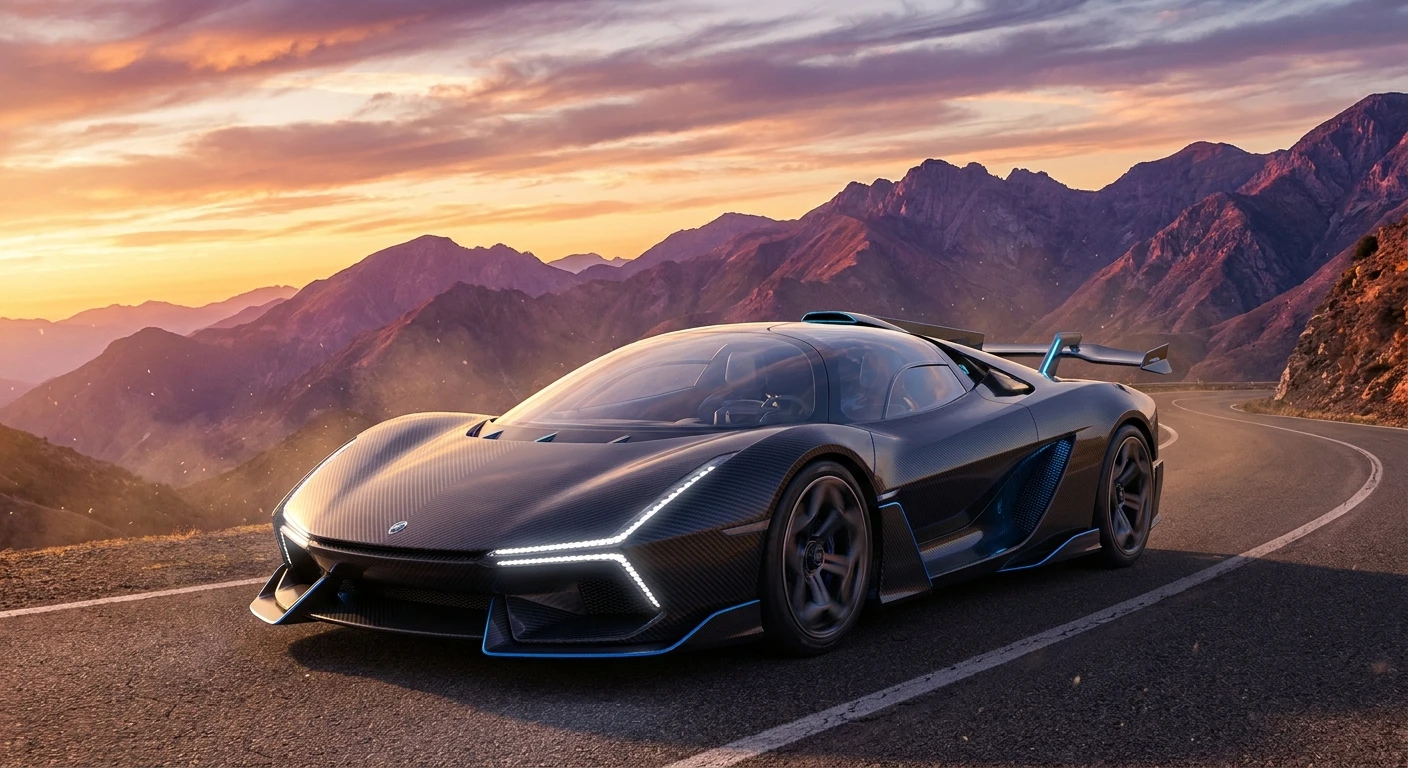
Understanding the KTM X Bow GT XR Price and Unmatched Value
Finding the exact KTM X Bow GT XR price reflects a massive leap from purely track-focused toys to genuine street-legal hypercars. You are essentially looking at a machine that brings GT2 racing technology directly to public roads without watering down the adrenaline. When you evaluate the costs, you have to consider the incredible engineering pedigree involved, including the Dallara carbon fiber monocoque and the legendary Audi powertrain. The base cost sits around €284,900 before local taxes, import duties, and exclusive factory options. That figure places it squarely in the territory of established Italian and British supercars, yet it offers an entirely different, almost fighter-jet-like experience. Driving one feels entirely distinct because the entire roof section lifts forward as a single motorized canopy, erasing the traditional concept of doors altogether. It is not just about raw acceleration in a straight line; it is about absolute dynamic superiority on twisting mountain roads. You get racing aerodynamics, radical aesthetics, and a degree of exclusivity that standard mass-produced supercars rarely match. As we break down the financial commitment required for this Austrian masterpiece, you will see exactly where every dollar goes. The investment buys you uncompromising performance, a remarkably low curb weight, and a vehicle that completely redefines the concept of a weekend drive.
Breaking Down the Costs
To fully grasp the financial scale of this vehicle, you need to look beyond the initial sticker price. The extensive options list, specialized maintenance requirements, and bespoke insurance policies all play massive roles in the total ownership experience. Here is a clear, realistic breakdown of what buyers typically face when acquiring this exotic machine.
Read also: Understanding The Apollo Evo Price And Specs; Aston Martin Valhalla Price: Complete Hybrid Supercar Guide.
| Expense Category | Estimated Cost (EUR) | Details and Inclusions |
|---|---|---|
| Base Vehicle Model | €284,900 | Standard specifications, unpainted carbon accents, base interior setup, standard suspension. |
| Premium Factory Options | €20,000 – €45,000 | Custom paintwork, hydraulic lift system, upgraded centerlock wheels, bespoke interior stitching. |
| Annual Maintenance | €3,000 – €7,000 | Specialized fluid changes, track-day inspections, canopy mechanism servicing, brake wear replacements. |
The core value proposition here appeals heavily to two distinct types of automotive enthusiasts. First, you have the dedicated track-day regular who wants a car capable of setting lap records without needing a heavy trailer. They drive it to the circuit, dominate the sessions, and drive home comfortably. Second, you have the high-end collector seeking extreme visual drama and street presence for Sunday morning mountain carving. For both buyer profiles, the total financial outlay feels entirely justified when you factor in these critical advantages:
- Aerodynamic Dominance: The vehicle generates immense downforce at high speeds, directly translating GT2 racing airflow management to the street for unparalleled cornering grip.
- Exclusivity and Rarity: With strictly limited annual production runs in Graz, Austria, you are highly unlikely to park next to another one at any automotive gathering or track event.
- Proven Reliability: Because the beating heart of the car is a robust, mass-produced Audi engine, you completely avoid the fragile, temperamental nature often associated with boutique hypercar powerplants.
The Origins of the X-Bow Lineage
The fascinating story begins long before this enclosed canopy model ever hit the streets. Back in 2008, the Austrian motorcycle manufacturer shocked the automotive industry by releasing their very first four-wheeled vehicle. It was an ultra-lightweight, open-cockpit sports car totally devoid of a roof, windshield, or conventional doors. The original design ethos focused entirely on delivering the purest driving experience possible, heavily relying on a sophisticated carbon fiber chassis developed in partnership with the experts at Dallara. That original machine set a completely new standard for power-to-weight ratios in street-legal track toys. It captured the attention of driving purists globally and proved immediately that a premier motorcycle company could successfully engineer a highly competent chassis for four wheels.
The Evolution to Street-Legal GT2
Over the next decade, the platform naturally evolved through aggressive motorsport campaigns. The company launched various track-only iterations, including the GT4, eventually leading to the creation of the GTX and the heavily modified GT2 race car. These closed-cockpit racers competed fiercely in European GT series, proving the immense durability and aerodynamic efficiency of the new bodywork under extreme duress. The racing division learned exactly how to manage intense engine heat, generate massive mechanical grip, and sustain high speeds over grueling endurance runs. Enthusiasts and wealthy privateer clients immediately started demanding a version of the GT2 race car that they could legally drive on public roads. The factory listened intently, realizing they had the perfect foundation to create something entirely unique for the luxury supercar market.
The Modern State of the GT-XR
Today, this street-legal variant stands proudly at the absolute pinnacle of the brand’s automotive lineup. Dedicated engineers meticulously adapted the racing shell to accommodate road use, integrating essential safety features, emission controls, and a beautifully engineered bespoke hydraulic canopy system. While it actively retains the ferocious aesthetic of its racing sibling, it includes necessary compromises like a massive 96-liter fuel tank for extended touring range, a progressive electric power steering system, and optional air conditioning for cabin comfort. The seamless transition from a raw, uncompromising circuit racer to a surprisingly compliant road vehicle showcases masterful automotive engineering. It truly represents the ultimate synthesis of motorcycle-like freedom, authentic racing technology, and high-end automotive craftsmanship.
Aerodynamics and Downforce Engineering
Understanding the technical brilliance of this machine requires looking closely at how it aggressively manipulates ambient air. Every single carbon surface, sculpted vent, and aggressive wing exists for a specific aerodynamic purpose. The prominent front splitter channels turbulent air beneath the completely flat carbon fiber underbody, accelerating it sharply toward the massive rear diffuser. This creates a powerful ground effect, literally sucking the lightweight chassis toward the tarmac as speeds increase. The sophisticated AirCurtain system in the front manages airflow around the wheels to drastically reduce drag, while the active aerodynamic elements ensure complete stability during heavy braking zones. The fighter-jet style canopy is not merely for theatrical entrances; it acts as an incredibly sleek teardrop shape that minimizes frontal wind resistance. This level of wind tunnel optimization usually belongs exclusively to multimillion-dollar hypercars.
The Audi Powertrain Integration
Behind the central carbon fiber monocoque sits a beautifully integrated masterpiece of German engineering. Instead of spending millions developing a proprietary engine from scratch, the engineers wisely chose to borrow and enhance one of the most charismatic internal combustion engines on the planet. The integration is completely seamless, pairing brutal power delivery with sophisticated electronics to ensure the car remains drivable at lower urban speeds.
- Engine Block: 2.5-liter TFSI inline five-cylinder sourced directly from Audi Sport, renowned for its distinct firing order and aggressive exhaust note.
- Power Output: Carefully tuned to produce exactly 500 horsepower and 581 Nm of torque, providing relentless acceleration across the rev range.
- Transmission: Seven-speed direct-shift gearbox (DSG) sending power exclusively to the rear wheels for traditional sports car dynamics.
- Dry Weight: An astonishingly low 1,130 kilograms, giving it a hypercar-level power-to-weight ratio that rivals elite Italian exotics.
- Braking System: Lightweight carbon ceramic brakes designed specifically to resist thermal fade during repeated high-speed decelerations on the track.
Day 1: Assessing Financial Readiness
Before contacting a dealer, deeply evaluate the true financial scope of this acquisition. Beyond the initial purchase funds, you must allocate a solid budget for import taxes, luxury vehicle registration fees, and a dedicated long-term maintenance fund. Ensure you have the liquid capital to handle a substantial upfront deposit, which is strictly mandatory for built-to-order exotics. Securing favorable financing for niche, low-production vehicles often requires contacting specialized automotive lenders rather than relying on traditional high-street banks.
Day 2: Engaging with Authorized Dealers
You cannot simply walk into a standard motorcycle dealership to order this machine. You must proactively locate a certified automotive dealer formally authorized by the factory in Austria. Reach out professionally to schedule a private consultation. Discuss current build times, which can stretch anywhere from six to eighteen months depending heavily on global demand and specialized parts availability. Establish a clear, ongoing line of communication with the regional sales director.
Day 3: Customizing the Specification
This is arguably the most exciting phase of the entire buying process. You will sit down with advanced configuration tools to meticulously select your exterior paint, carbon fiber weave finishes, and interior Alcantara stitching colors. Decide whether you absolutely need the hydraulic lifting system—an absolute necessity for navigating steep residential driveways and aggressive urban speed bumps. Choose your wheel designs carefully and evaluate the center-lock option for that authentic motorsport visual appeal.
Day 4: Securing Allocation and Deposit
Once your ideal bespoke specification is fully locked in, the authorized dealer will formally submit the build sheet directly to the factory in Graz. To permanently secure your physical production slot, you must wire a significant non-refundable deposit. This official financial commitment guarantees your unique chassis number and places you formally in the factory production queue. Always request formal signed documentation detailing the estimated completion quarter.
Day 5: Arranging Specialized Insurance
Insuring a street-legal GT2 race car equipped with a jet canopy is inherently complicated. Standard commercial insurance providers will highly likely decline coverage outright. You must contact specialty exotic car brokers who truly understand agreed-value policies. Provide them with the exact build specifications, your verified driving history, and detailed security information regarding where the vehicle will be securely stored overnight. Expect yearly premiums to reflect the sheer rarity and expensive carbon fiber repair costs.
Day 6: Preparing Garage and Transport Logistics
Ensure your home storage facility is completely ready for a vehicle with such an exceptionally wide track and incredibly low ground clearance. Install a high-quality smart battery tender, as modern exotic cars draw significant passive electrical current when parked for extended periods. If the dealership is located far from your primary residence, arrange for professional enclosed transport. Never risk flatbed towing for a vehicle equipped with completely flat carbon fiber aerodynamic floors.
Day 7: Delivery and Familiarization Walkthrough
Delivery day involves much more than simply handing over a physical key. The dealer representative will walk you patiently through the intricate canopy opening sequence, the complex removable steering wheel functions, and the high-definition digital rear-view mirror system. Pay close attention to the specific warm-up and cool-down procedures required for the heavily turbocharged five-cylinder engine. Take the ample time to adjust the fixed-seat pedals and steering column to your exact physical dimensions before leaving the lot.
Myths & Reality
Myth: It is just a stripped-down track car awkwardly fitted with license plates.
Reality: While it undeniably possesses racing DNA, the factory deliberately added sophisticated sound deadening, Bluetooth connectivity, climate control, and a surprisingly compliant suspension setup specifically for road use.
Myth: General maintenance costs are identical to a standard Audi RS3.
Reality: Although the core engine block is an Audi unit, accessing it requires removing complex carbon fiber body cowlings. Furthermore, the bespoke racing chassis, custom suspension, and hydraulic canopy system demand highly specialized, expensive labor rates.
Myth: The aggressive fighter-jet canopy is purely for show and visual drama.
Reality: The one-piece canopy is structurally integral to the car’s aerodynamics and overall safety cell. It entirely eliminates the need for heavy traditional steel doors and thick A-pillars, vastly reducing weight and substantially improving forward track visibility.
Myth: It completely lacks basic modern road comforts like a stereo or navigation.
Reality: The vehicle utilizes a secure Quadlock mounting system for modern smartphones, channeling streaming audio directly into a high-quality Bluetooth sound system, effectively providing modern navigation and media without installing heavy, outdated infotainment screens.
What is the exact starting cost?
The base sticker sits firmly at approximately €284,900 before any exclusive factory options, overseas shipping fees, or local import taxes are formally applied.
Can you drive it daily?
Technically yes, as it conveniently features a front axle lift system and robust air conditioning, but its extreme width and dramatic canopy operation make running simple errands quite cumbersome.
How does the canopy open?
The entire carbon roof and windshield section is securely hinged at the front and lifts electrically via a specialized hydraulic system directly activated by the digital key fob.
What engine does it use?
It utilizes the globally celebrated 2.5-liter TFSI inline five-cylinder engine from Audi Sport, perfectly mated to a rapid-shifting seven-speed dual-clutch transmission.
Is it legal in the US?
Importing it to the US strictly requires navigating highly complex Show and Display federal regulations or specialized low-volume manufacturer exemptions, making it administratively difficult but certainly not impossible.
Does it have air conditioning?
Yes, a powerful electrically driven air conditioning system is fully available to keep the enclosed glass cockpit thoroughly comfortable on hot summer driving days.
How fast is the top speed?
The highly slippery aerodynamic profile and robust 500 horsepower push the absolute top speed to approximately 280 km/h (174 mph), depending heavily on the aggressive rear wing configuration.
What is the fuel economy like?
Given its incredibly light dry weight of 1,130 kg, it is surprisingly fuel-efficient when cruising at highway speeds, though sustained aggressive driving will drain the large 96-liter tank quite rapidly.
Conclusion
Evaluating the KTM X Bow GT XR price ultimately requires looking far beyond traditional luxury car financial metrics. You are literally purchasing a street-legal GT2 race car meticulously wrapped in some of the most dramatic, aerodynamically efficient carbon fiber bodywork ever designed for public roads. With its roaring Audi inline-five engine, theatrical fighter-jet canopy, and uncompromising driving dynamics, it stands entirely alone in the current global automotive landscape. If you possess the financial means and the raw passion for pure, unfiltered driving experiences, this Austrian mechanical marvel represents the ultimate addition to any serious supercar collection. Take the absolute next step and contact your local authorized exotic car dealer to discuss available factory allocations today.