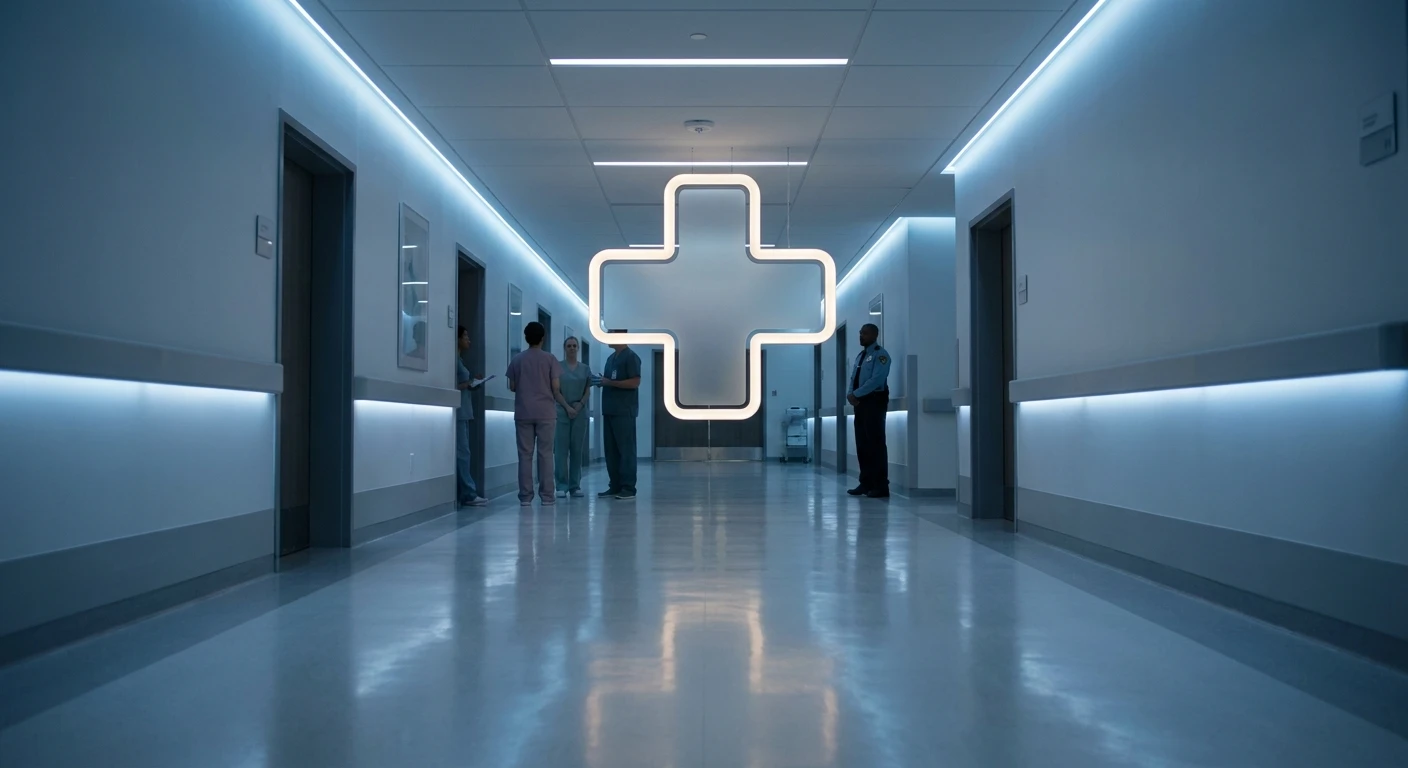
What Is a Code White in a Hospital?
Look, if you are standing in a busy corridor and hear the overhead intercom system ask what is a Code White in a hospital, you are witnessing one of the most critical emergency protocols in modern healthcare. Hospitals are meant to be safe havens for healing and recovery. However, they are also highly stressful environments charged with intense anxiety, severe grief, and unpredictable medical reactions. A Code White acts as an immediate, standardized alert notifying trained response teams that an individual—whether it is a confused patient, an overwhelmed family member, or an unauthorized visitor—is exhibiting threatening or violent behavior that poses a clear and present danger to themselves or others. This specific alert is completely separate from medical emergencies like cardiac arrest or respiratory failure. It is purely about behavioral de-escalation, rapid psychological intervention, and maintaining strict facility security. Understanding how this system works is incredibly valuable for healthcare workers and general visitors alike, as swift, coordinated actions prevent serious physical injuries. The entire framework relies on rapid communication channels, targeted psychological interventions, and a dedicated response team stepping in to safely restore order. By prioritizing verbal techniques over physical force, healthcare facilities ensure that aggressive situations are managed with compassion, professionalism, and absolute minimal risk. The psychological toll of navigating healthcare crises means that behavioral outbursts are unfortunately common, making a well-executed emergency code a structured lifeline for everyone involved.
The Core Value of Behavioral Emergency Protocols
The core value proposition of having a standardized emergency alert for aggressive behavior is the immediate mobilization of specialized resources without creating widespread panic among the general hospital population. When staff members activate this alert, they initiate a highly structured response framework that overwhelmingly prioritizes verbal de-escalation over physical force. For example, if a distressed patient in the emergency room becomes suddenly combative due to intense confusion or severe medication side effects, the alert brings in psychiatric liaisons and security personnel specifically trained to calm the patient verbally without using brute strength. Another frequent example involves a frustrated family member escalating to physical threats in a crowded waiting area; the immediate overhead announcement signals standard clinical staff to clear the area while specialized teams address the threat directly. This systematic protocol directly mitigates physical harm, drastically reduces legal liabilities for the healthcare facility, and maintains the integrity of ongoing clinical care in adjacent rooms. To fully grasp how a hospital prepares for and successfully manages a behavioral crisis, there are several foundational components that every facility must establish.
Read also: Navigating Ford Canada Recalls: Your Complete Guide; Mastering Ezra Healing for Holistic Wellness.
- Rapid Communication Systems: Facilities must maintain instant, fail-safe communication channels, such as wearable panic buttons, silent alarms at nursing stations, or centralized overhead paging networks, to broadcast the alert within seconds of a behavioral escalation.
- Specialized De-escalation Training: First responders and crisis teams require intensive, ongoing training in verbal judo, crisis intervention psychology, and strictly non-violent physical restraint techniques to safely manage the agitated individual.
- Post-Incident Debriefing Protocols: Immediately after the situation is resolved, staff must conduct a thorough operational review to analyze the trigger, assess the response effectiveness, and implement necessary environmental changes to prevent future occurrences.
- Environmental Risk Assessments: The facility layout must be constantly evaluated to remove potential makeshift weapons, secure heavy medical equipment, and establish clear escape routes for vulnerable frontline staff.
| Emergency Code | Trigger Situation | Primary Action Required |
|---|---|---|
| Code White | Violent, aggressive, or severely threatening behavior | Deploy specialized de-escalation and security team |
| Code Blue | Medical emergency, sudden cardiac or respiratory arrest | Initiate immediate CPR and advanced life support |
| Code Red | Visible fire, heavy smoke detected, or combustion hazard | Evacuate immediate area and attempt to contain the fire |
Origins of Hospital Codes
The concept of using color-coded emergency alerts originated in the post-World War II era, as healthcare facilities rapidly expanded and the need for standardized internal communication became painfully obvious. Early hospitals struggled with alerting doctors to emergencies without terrifying the surrounding patients. Shouting that a patient was violently attacking staff or that a fire had broken out caused immediate stampedes. Consequently, administrators began assigning neutral colors to specific crises. While Code Blue quickly became the universal standard for cardiac arrest, behavioral emergencies were often handled informally, usually resulting in chaotic, unsafe brawls between untrained orderlies and combative patients. It was not until the late twentieth century that administrators recognized the desperate need for a dedicated behavioral emergency protocol.
Evolution of Behavioral Protocols
During the 1980s and 1990s, occupational safety boards began to formally recognize healthcare as one of the highest-risk industries for workplace violence. Nurses and frontline technicians were experiencing alarming rates of assault from confused, intoxicated, or psychologically distressed individuals. This grim reality forced a massive evolution in behavioral protocols. Instead of relying on local police, who often escalated medical situations with lethal force tactics, hospitals developed internal crisis teams. The Code White designation was heavily championed by the Ontario Hospital Association in Canada, creating a blueprint that quickly spread across North America and Europe. This evolution shifted the focus from punishment and aggressive restraint to medical triage, empathy, and professional containment.
Modern State of Code White
Today, the protocol is a highly refined, technologically integrated system. Modern healthcare facilities utilize smart badges equipped with real-time location tracking and built-in duress buttons. When pressed, these badges automatically trigger silent alerts to security dispatchers, instantly locking down specific corridors and guiding response teams to the exact coordinates of the disturbance. The modern approach heavily emphasizes trauma-informed care. Responders are trained to recognize that aggression is often a symptom of an underlying medical issue, such as severe hypoxia, traumatic brain injury, severe dementia, or acute psychosis, rather than a deliberate criminal act. This medicalized perspective ensures that interventions remain humane, strictly regulated, and medically appropriate.
The Psychology of Escalation
Understanding the exact neurobiology of aggression is fundamental to managing these crises effectively. When an individual experiences extreme stress or perceives a severe threat in a hospital setting, their brain undergoes an amygdala hijack. The amygdala, responsible for primal survival instincts, completely overrides the prefrontal cortex, which governs logical reasoning and impulse control. The body is instantly flooded with massive amounts of adrenaline and cortisol. In this highly elevated state, the individual physically cannot process complex verbal instructions or logical arguments. Attempting to argue with them or issuing aggressive commands only fuels the biological panic response. Effective de-escalation psychology relies entirely on bypassing the logical brain and signaling safety to the primal brain through specific, calculated actions.
Technical Security Integration
Managing a violent outburst is no longer just about deploying a team; it relies heavily on advanced technical security integration. Hospitals now operate as smart buildings where security systems are deeply intertwined with clinical workflows. The moment an alert is triggered, automated systems can restrict elevator access, secure sensitive areas like the pharmacy or neonatal unit, and activate high-definition recording systems for subsequent legal review. This technical web ensures that the crisis remains contained in a single zone while the rest of the massive facility continues to provide uninterrupted life-saving care.
- Adrenaline and cortisol flood the brain during aggressive outbursts, temporarily impairing the prefrontal cortex’s ability to reason or process logic.
- Non-verbal communication, such as maintaining open body language, avoiding direct confrontational eye contact, and lowering vocal pitch, accounts for the vast majority of successful crisis de-escalation.
- Rapid physical restraint, when absolutely medically necessary, relies on strict biomechanical principles and joint manipulation to minimize soft tissue damage and prevent respiratory distress.
- Real-time location systems integrated into modern smart badges transmit precise employee coordinates, reducing emergency response times by up to sixty percent.
Step 1: Immediate Threat Recognition
The absolute first step in the protocol is rapid threat recognition. Frontline workers, from triage nurses to janitorial staff, are trained to constantly scan for behavioral baseline deviations. Signs of impending violence include prolonged glaring, rapid pacing, clenched fists, loud muttering, or a sudden invasion of personal space. Recognizing these micro-behaviors early allows staff to intervene before the situation explodes into physical violence. Early recognition is the cheapest and most effective form of security.
Step 2: Activating the Alert System
Once a clear threat is identified, hesitation is dangerous. Staff are instructed to immediately activate the alert system without waiting for permission from a supervisor. Depending on the facility’s infrastructure, this might involve pressing a wearable panic button, dialing a specific emergency extension on a wall phone, or verbally commanding a colleague to initiate the page. The broadcast must be clear, stating the code and the exact location repeatedly to ensure no ambiguity for the responding teams.
Step 3: Securing the Immediate Perimeter
While the crisis team is rushing to the scene, the staff currently present must secure the immediate perimeter. This means swiftly and calmly removing other vulnerable patients, frightened visitors, and unnecessary equipment from the immediate vicinity. Any loose objects that could be weaponized—such as IV poles, heavy metal clipboards, or glass medical instruments—must be removed or secured. Creating a clear, empty space reduces the risk of collateral damage and provides the response team with a safe operational area.
Step 4: Arrival of the Crisis Response Team
When the dedicated response team arrives, they do not just rush in blindly. A designated team lead instantly takes command of the situation. This team usually consists of trained security officers, a psychiatric nurse, and an attending physician. The team lead quickly gathers a brief situational report from the staff member who initiated the alert, determining if the aggressor is armed, what their medical history might be, and what specifically triggered the outburst. Structure and discipline at this stage prevent chaos.
Step 5: Verbal De-escalation Tactics
Physical contact is strictly avoided if possible. The team lead begins verbal de-escalation, utilizing a calm, steady voice. They use active listening techniques, validating the individual’s frustration without agreeing to unreasonable demands. The goal is to establish a rapport, lower the emotional temperature of the room, and offer the individual a graceful way to back down from the confrontation. The team physically positions themselves in a safe, non-threatening formation, ensuring they do not block the individual’s perceived exit route.
Step 6: Physical Interventions as a Last Resort
If verbal tactics fail entirely and the individual actively attacks staff or attempts self-harm, the team transitions to physical intervention as an absolute last resort. This is executed using highly choreographed, non-striking control holds designed to safely bring the individual to the ground or secure them to a specialized bed. Simultaneously, the medical team may administer rapid-acting chemical restraints, such as intramuscular sedatives, to safely chemically de-escalate the brain’s aggressive biological response.
Step 7: Post-Event Medical and Psychological Triage
Once the individual is secured and the immediate threat has passed, the emergency is still not fully over. The patient requires intense medical monitoring to ensure their airway remains clear and the sedatives do not cause adverse reactions. Concurrently, the staff involved in the traumatic event undergo psychological triage. Managing violence is deeply stressful, and immediate debriefing sessions help prevent long-term burnout, document the incident for legal compliance, and refine future responses.
Myth: Code White means there is an active shooter.
Reality: Active shooter situations or incidents involving lethal weapons typically fall under Code Silver or a plain language active threat alert. The white alert is specifically reserved for unarmed behavioral aggression or severe verbal threats.
Myth: Anyone can physically restrain a patient during this emergency.
Reality: Only specifically trained crisis response team members, psychiatric staff, and certified security personnel are legally and operationally authorized to physically intervene. General staff are strictly instructed to clear the area and avoid unauthorized physical contact to prevent mutual injury.
Myth: The alert always results in immediate police involvement.
Reality: The vast majority of these high-stress incidents are successfully resolved internally through verbal de-escalation and professional clinical management without ever requiring external law enforcement intervention.
Myth: The aggressive patient is always acting maliciously.
Reality: Extreme aggression in clinical settings frequently stems from underlying medical conditions, severe dementia, acute adverse medication reactions, or massive psychological distress rather than any deliberate criminal intent.
Who responds to the alert?
The response typically consists of a specialized internal team, including trained security personnel, psychiatric liaison nurses, clinical supervisors, and an attending physician capable of ordering rapid medical interventions.
Can visitors help during the crisis?
Absolutely not. Visitors are strictly instructed to evacuate the immediate area and follow all staff directions. Attempting to intervene, even with good intentions, drastically increases the risk of severe injury and complicates the response team’s operational tactics.
Is this code the same in every country?
While extremely prominent in Canada and widely used across many regions in the United States, hospital codes vary globally. Some facilities are transitioning to plain language alerts, such as announcing a behavioral response team to a specific floor, to eliminate any potential confusion.
What happens to the aggressive individual afterward?
Once secured, the individual receives a comprehensive medical and psychological evaluation to determine the root cause of the outburst. If the aggression is purely medical, treatment is adjusted. If it is criminal and unprovoked, the hospital may press charges and involve external authorities.
How often do these incidents occur?
Unfortunately, healthcare workers face extremely high rates of workplace violence. Large urban trauma centers or dedicated psychiatric emergency departments might activate this specific protocol multiple times a week or even daily.
Are there legal consequences for the patient?
This depends entirely on the patient’s medical competence. Individuals suffering from dementia, delirium, or severe psychotic breaks are treated medically. However, competent individuals who maliciously attack staff can face severe criminal assault charges and permanent bans from the facility.
Do pediatric hospitals use the same protocol?
Yes, but the physical response tactics are heavily modified. Pediatric crisis teams focus almost exclusively on advanced verbal calming, parental involvement, and specialized child-safe holds to ensure the absolute physical safety of the minor during an emotional meltdown.
Understanding this critical hospital protocol reveals just how much hidden, systematic effort goes into maintaining a safe healing environment. Healthcare workers dedicate their lives to saving others, and systems like these ensure they have the protection they need to do their jobs effectively. Next time you are in a medical facility, you can appreciate the invisible shield of training and technology protecting everyone inside. If you manage a facility or work in clinical administration, review your de-escalation protocols, audit your communication hardware, and invest heavily in your frontline crisis training today!