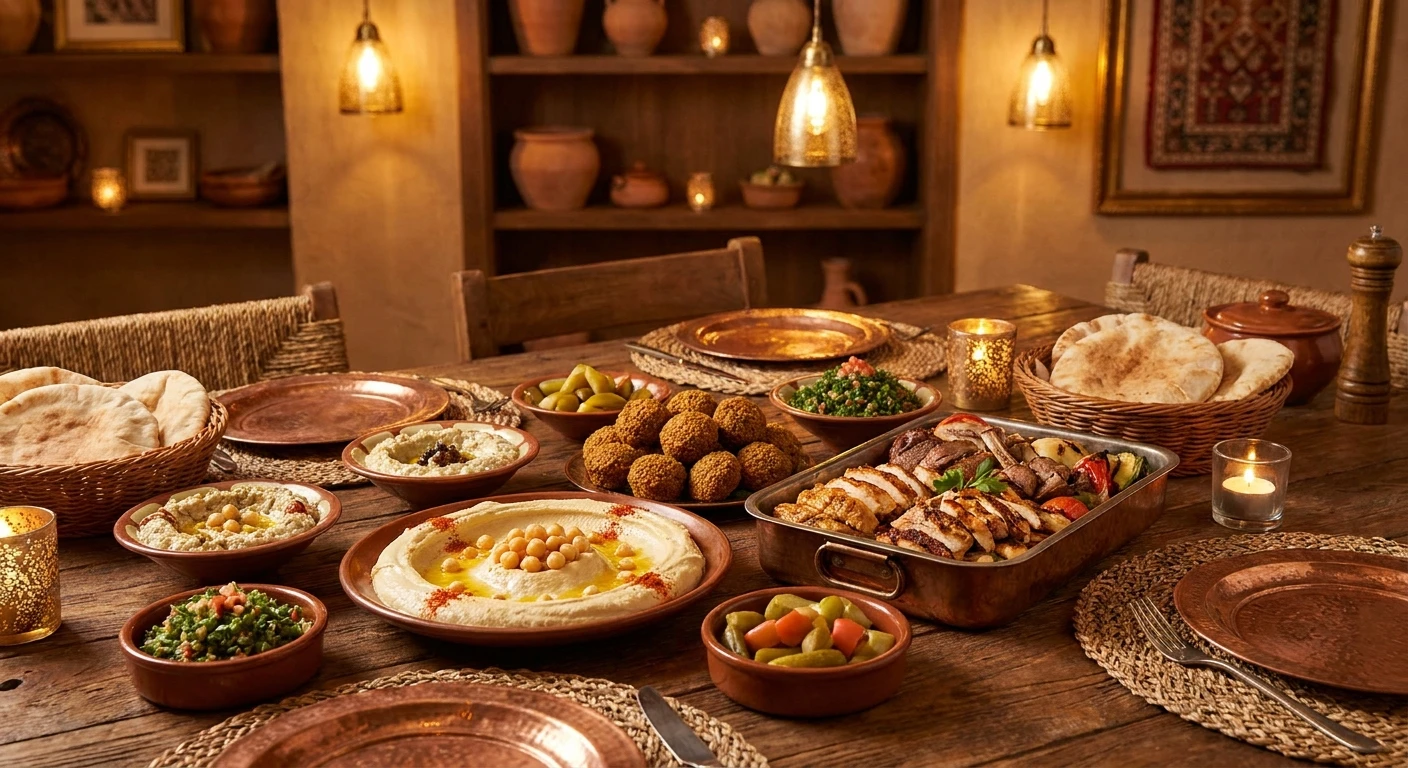
The Authentic Flavors of Damascus Sudbury
Finding traditional Middle Eastern cuisine in Northern Ontario is a rewarding culinary journey, and Damascus Sudbury stands out as a prime destination for authentic Syrian food. This establishment brings centuries-old Levantine culinary traditions directly to a bustling Canadian hub, creating a profound cultural bridge through expertly crafted shawarma, crispy falafel, and meticulously spiced dishes. The geographical contrast of enjoying Mediterranean and Middle Eastern staples in a northern climate only enhances the appeal of these rich, comforting flavors. Syrian food culture relies heavily on fresh ingredients, aromatic spices, and time-honored preparation methods passed down through generations. By focusing on quality and tradition, authentic eateries elevate the local food scene, offering a vibrant alternative to standard regional fare. Diners seeking genuine hospitality and complex flavor profiles consistently gravitate toward these specialized menus. The foundation of this culinary style rests on an intricate balance of earthy legumes, tender halal meats, tangy citrus, and fragrant herbs. When you engage with this style of dining, you participate in a historic food tradition that emphasizes communal eating, generous portions, and an absolute dedication to freshness.
Why You Should Experience the Menu
Exploring a specialized Middle Eastern menu offers immediate dietary and sensory benefits. The value proposition of a traditional Syrian establishment lies in its reliance on wholesome, unprocessed ingredients. Mediterranean and Levantine diets are globally recognized for utilizing heart-healthy olive oil, lean proteins, and fiber-rich legumes. For example, a standard falafel wrap provides a substantial amount of plant-based protein without the heavy saturated fats found in typical fast food. Similarly, a well-prepared chicken shawarma offers lean, marinated poultry cooked in its own natural juices, eliminating the need for excessive artificial oils. These meals are satisfying, nutritionally dense, and bursting with natural flavor.
Read also: The Ultimate Guide to Authentic Hanyang Jokbal Preparation; Premium Bath Towels Canada: The Ultimate Buying Guide.
| Dish Name | Key Ingredients | Flavor Profile |
|---|---|---|
| Chicken Shawarma | Marinated chicken, garlic sauce, pickles, pita | Tangy, savory, rich with aromatic spices |
| Classic Falafel Plate | Ground chickpeas, fresh herbs, tahini drizzle | Earthy, crispy exterior, herbaceous interior |
| Beef Kebab Skewers | Minced beef, chopped onions, Syrian spice blend | Smoky, robust, deeply seasoned and charred |
To maximize your culinary experience, following a strategic ordering approach ensures you sample the best textural and flavor contrasts available. Navigating the menu like an expert requires an understanding of how dishes complement one another.
- Begin your meal with a selection of cold meze, such as creamy hummus and smoky baba ghanoush, to stimulate the palate with acidic and earthy tones.
- Select a mixed grill or a combination shawarma platter for your main course to experience multiple protein preparations and varied spice blends in one sitting.
- Conclude the dining experience with traditional baklava paired with strong Syrian tea or coffee, which aids digestion and provides a necessary bitter-sweet finish.
These steps guarantee a comprehensive tasting journey, ensuring that every fundamental aspect of Levantine cooking is thoroughly appreciated and enjoyed.
Tracing the Roots of Syrian Cuisine
The Origins of Levantine Spices
The historical significance of Syrian cuisine is deeply intertwined with the ancient spice trade routes that passed through the Middle East. Damascus, being one of the oldest continuously inhabited cities in the world, served as a crucial crossroads for merchants traveling between Asia, Africa, and Europe. This geographic advantage allowed local cooks to incorporate an unprecedented variety of spices into their traditional dishes. Ingredients such as cumin, cardamom, sumac, and coriander became foundational elements of the regional palate. The meticulous blending of these spices, known as baharat, creates the signature warmth and complexity that defines authentic Syrian cooking, distinguishing it from neighboring culinary traditions.
Evolution of Middle Eastern Food in Canada
The migration of these ancient recipes to North America represents a fascinating chapter in global food history. As Syrian families settled in various Canadian provinces, they brought their culinary heritage with them, adapting to local ingredient availability while fiercely protecting their core cooking techniques. Initially, these traditional foods were prepared primarily within the home for family gatherings. Over time, as communities grew and the broader public developed an appetite for diverse flavors, family-run restaurants began to emerge. These establishments served as cultural ambassadors, introducing entirely new demographics to the nuances of authentic Middle Eastern hospitality and complex flavor profiles.
The Modern State of Culinary Integration
Today, the integration of Syrian cuisine into the fabric of regional Canadian food scenes is both prominent and celebrated. In cities like Sudbury, specialized eateries have moved from being niche specialty shops to beloved community staples. The modern state of this cuisine involves a strict adherence to traditional preparation methods—such as baking fresh pita daily and utilizing vertical rotisseries—while maintaining accessibility for a wide customer base. This delicate balance ensures that the food remains culturally authentic while simultaneously becoming an expected and cherished part of the local dining landscape.
The Culinary Science Behind the Flavors
The Maillard Reaction in Shawarma Roasting
The irresistible appeal of rotisserie-cooked meats is governed by precise culinary physics and chemistry. When preparing traditional shawarma, meat is stacked on a vertical spit and slowly rotated in front of a specialized heat source. This process initiates the Maillard reaction, a chemical reaction between amino acids and reducing sugars that occurs at temperatures around 140 to 165 degrees Celsius. As the outer layer of the meat reaches this temperature threshold, it browns and develops hundreds of new, complex flavor compounds. The vertical orientation is critical; it allows the rendering fats to cascade down the meat column, continuously basting the protein. This self-basting mechanism prevents the meat from drying out during the prolonged cooking process, ensuring a tender interior while maximizing the crispy, caramelized exterior.
The Emulsion Chemistry of Toum (Garlic Sauce)
Toum, the iconic fluffy garlic sauce served alongside many Syrian dishes, is a marvel of culinary emulsion. Unlike mayonnaise, which relies on egg yolks as an emulsifying agent, authentic toum achieves its stable, cloud-like texture through the sheer mechanical shearing of garlic and oil. Garlic contains natural emulsifying properties, specifically within its cellular walls. When crushed, garlic releases an enzyme called alliinase, which reacts to form allicin, providing the sauce with its sharp, pungent kick.
- Fat Rendering Mechanisms: Vertical roasting allows lipid breakdown to baste the meat continuously, keeping it tender while crisping the exterior through targeted heat application.
- Allicin Release: Crushing fresh garlic cloves releases alliinase enzymes, creating the powerful allicin compounds that define traditional Syrian garlic sauce.
- Starch Retrogradation: Freshly baked pita bread requires specific hydration levels; immediate serving prevents the gelatinized starches from recrystallizing, which is the primary cause of staleness.
- Acid-Base Reactions: Adding acidic lemon juice to sesame tahini alters the pH level, causing the proteins to unfold, hydrate, and dramatically thicken the resulting sauce.
The 7-Step Culinary Tour Guide
Step 1: Mastering the Meze Platter
Your journey must begin with a comprehensive meze platter. This assortment of small dishes sets the foundation for the entire meal. Focus on the interplay between the smooth dips and the varied textures of the accompaniments. A proper meze platter introduces the palate to the essential flavors of olive oil, lemon, and garlic, preparing the digestive system for the richer proteins to follow.
Step 2: Evaluating the Hummus Texture
Hummus is the ultimate benchmark of any Middle Eastern kitchen. When evaluating this dish, look for an ultra-smooth, velvety consistency free from graininess. The perfect hummus balances the nutty richness of high-quality tahini with the bright acidity of fresh lemon juice, topped with a generous pour of extra virgin olive oil to enhance the mouthfeel.
Step 3: The Shawarma Tasting Strategy
When approaching the main course, specifically chicken or beef shawarma, strategy is required. Taste the meat on its own first to appreciate the specific marinade and the results of the Maillard browning. Then, construct a perfect bite using a piece of warm pita, a dab of garlic sauce, and a slice of pickled turnip to experience the intended synergy of fat, acid, and spice.
Step 4: Exploring Vegetarian Delights
Syrian cuisine excels in plant-based offerings. Dedicate a portion of your meal to exploring these options, such as freshly fried falafel or stuffed grape leaves (dolma). Notice how the heavy use of fresh parsley, mint, and perfectly cooked rice creates satisfying, complex dishes that rival any meat-centric option in terms of depth and satiation.
Step 5: Pairing Pickles and Turnips
The bright pink pickled turnips are not merely a garnish; they are a functional component of the meal. The sharp acidity and slight crunch of these pickles are designed to cut through the rich, fatty profiles of roasted meats and tahini-heavy sauces, effectively cleansing the palate between bites and preventing palate fatigue.
Step 6: The Charcoal Grill Experience
If the establishment offers charcoal-grilled kebabs, this is a mandatory step. Charcoal imparts a specific smoky nuance that gas grills cannot replicate. The high, dry heat sears the minced meat skewers instantly, locking in the juices and the aromatic baharat spice blends, resulting in a robust and primal flavor profile.
Step 7: Sweet Conclusions with Baklava
Conclude your culinary tour with a serving of traditional baklava. This dessert requires careful layering of paper-thin phyllo dough, chopped nuts, and a fragrant simple syrup often infused with rose water or orange blossom water. The sweetness provides a stark, satisfying contrast to the savory, garlic-heavy courses that preceded it.
Common Misconceptions About Middle Eastern Food
Myth: All Middle Eastern and Levantine food is overwhelmingly spicy and hot. Reality: Syrian cuisine focuses heavily on aromatic spices like cardamom, cumin, nutmeg, and coriander. The goal is complex, warming flavor, not aggressive chili heat. The dishes are highly seasoned but rarely spicy-hot.
Myth: Shawarma and the Canadian donair are exactly the same dish. Reality: While they share a conceptual origin of meat roasted on a vertical spit, authentic Syrian shawarma relies on traditional spice blends, garlic sauce, and tahini. The Canadian donair typically utilizes a sweeter sauce made from condensed milk, vinegar, and garlic powder, creating a vastly different flavor profile.
Myth: Eating falafel is always a heavy, greasy experience. Reality: Properly formulated and fried falafel, cooked at the precise optimal oil temperature, absorbs very little cooking oil. This scientific process results in a beautifully crispy, dry exterior protecting a light, fluffy, and herbaceous interior.
Frequently Asked Questions
Is Syrian food suitable for strict vegetarians?
Yes, the cuisine offers numerous plant-based options, including falafel, hummus, baba ghanoush, lentil soups, and various vibrant salads like tabbouleh and fattoush.
What are the primary proteins utilized in this cuisine?
Chicken, beef, and lamb are the most common proteins. They are typically marinated in yogurt, citrus, and spices before being grilled or roasted.
Is authentic tahini completely dairy-free?
Absolutely. Tahini is made exclusively from ground toasted sesame seeds, making it a naturally rich and creamy dairy-free ingredient.
What gives toum its incredibly fluffy texture?
The texture is achieved through a precise emulsion process where garlic and oil are whipped together at high speeds, trapping air without the use of eggs or dairy.
Are the meats served typically certified halal?
Yes, authentic Syrian and Middle Eastern establishments generally source strictly halal-certified meats to adhere to traditional and cultural dietary practices.
What is the red spice commonly sprinkled on onions and hummus?
That spice is sumac. It is derived from dried and ground berries, imparting a distinct, tangy, lemon-like tartness without adding liquid acidity to the dish.
How is traditional pita bread constructed?
Pita is baked at extremely high temperatures. The rapid expansion of steam inside the dough forces the flatbread to puff up, creating the signature interior pocket.
Experiencing authentic Syrian cuisine offers a magnificent opportunity to engage with deeply rooted culinary traditions right in your own region. By understanding the history, the culinary science, and the proper way to navigate the menu, diners can elevate a simple meal into an educational and highly satisfying event. Support your local culinary artisans and plan your visit to experience these masterfully crafted dishes firsthand.