Is Ding Dong Ditching Illegal? Understanding the Legal Boundaries
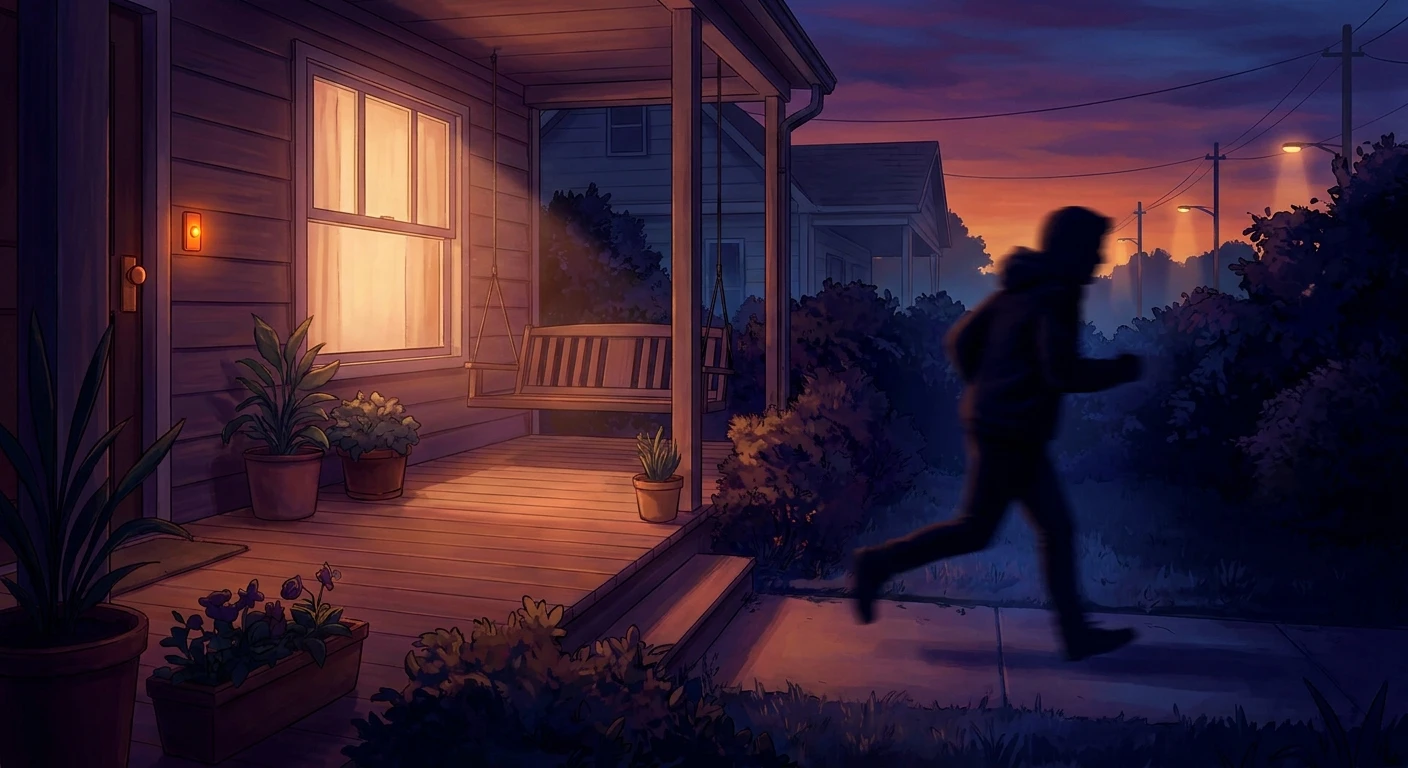
If you have ever been startled awake by a doorbell at midnight only to find an empty porch, you have likely found yourself wondering, is ding dong ditching illegal? It is a question that bridges the gap between childhood nostalgia and adult responsibilities. For generations, sneaking up to a neighbor’s door, ringing the bell, and sprinting into the bushes has been treated as a harmless rite of passage. However, when you examine the situation through the lens of property rights, civil liability, and municipal ordinances, the legal landscape is surprisingly complex.
When an individual steps onto private property uninvited with the express intent to cause a disturbance, they immediately cross a critical legal boundary. What begins as a childish prank can rapidly escalate into criminal trespassing, harassment, or property damage if things go wrong. Homeowners have an established right to the peaceful enjoyment of their property, and law enforcement agencies take deliberate disruptions of that peace very seriously. This guide breaks down the legalities surrounding the prank, exploring exactly where the law draws the line between an innocent joke and a chargeable offense. By understanding the strict boundaries of property rights, parents can better guide their teenagers, and homeowners can learn how to legally protect their peace of mind without escalating the situation.
Read also: Nia Health: AI Solutions for Chronic Skin Conditions; What Causes a Dent in Head? Facts and Next Steps.
Core Legal Risks and Harmful Realities
To truly understand the legal implications, you have to break down how the justice system categorizes unwelcome behavior on private property. The act of ringing a bell and running away does not have its own specific statute in the criminal code. Instead, law enforcement and civil courts categorize these actions based on the intent of the perpetrator, the frequency of the act, and the resulting damage to the property or the homeowner’s well-being.
Understanding these distinct legal categories is crucial because it protects families from unexpected legal bills, juvenile court appearances, and neighborhood disputes. For example, if a teenager knocks over an expensive garden statue while fleeing a porch in the dark, the homeowner has clear grounds to pursue a costly vandalism claim. Similarly, repeatedly targeting the same elderly neighbor late at night easily triggers a formal harassment investigation, completely transforming a supposed joke into a documented police matter.
| Legal Category | Description of Actions | Potential Penalties |
|---|---|---|
| Civil Trespassing | Entering a property specifically to cause a nuisance without causing physical damage. | Verbal warnings, police reprimands, or civil injunctions. |
| Disturbing the Peace | Repeatedly waking residents late at night or causing neighborhood-wide noise disruptions. | Misdemeanor charges, financial fines, or mandated community service. |
| Property Damage (Vandalism) | Breaking gates, trampling flower beds, or destroying yard ornaments while escaping. | Restitution payments, higher fines, and potential juvenile detention. |
When examining the specific charges that can arise from this activity, three main legal concepts come into play:
- Criminal Trespass: This occurs when an individual enters or remains on someone’s property without permission. While walkways generally have an implied open invitation for visitors, using that walkway to commit a nuisance actively revokes that implied consent.
- Disturbing the Peace: This statute prevents individuals from engaging in conduct that disrupts the overall tranquility of a community. Waking up an entire household or causing a family dog to bark uncontrollably at 2 AM frequently triggers this specific municipal ordinance.
- Harassment: This involves a documented pattern of behavior intended to annoy, threaten, or alarm another person. If pranksters target the same house multiple nights in a row, the behavior elevates from a random prank to a targeted, malicious offense.
The 19th Century Origins
The practice of knocking on doors and disappearing into the night is by no means a modern invention. Historical records suggest the game dates back centuries, originating in working-class neighborhoods where children had few toys and relied on their environment for entertainment. In 19th-century Britain, the game was widely known as “Knock Down Ginger.” Archival police reports from Victorian London show that local magistrates frequently dealt with unruly youths who would tie long strings to heavy brass door knockers, pulling them from across the street to confuse residents. At the time, it was primarily viewed as a minor nuisance. Local constables usually handled offenders by delivering a stern talking-to or dragging them back to their parents for discipline, rather than filing formal criminal charges.
Evolution Through the 20th Century
As populations shifted and sprawling suburbs grew rapidly in the mid-20th century, the game evolved. The widespread installation of the electric doorbell changed the mechanics of the prank, giving birth to the Americanized name we recognize today. Suburban environments, characterized by large lawns, winding streets, and unlit alleys, provided the perfect playground. Kids had wider neighborhoods to roam, and the anonymity of suburban sprawl made the game thrilling and easy to execute. It became embedded in pop culture, depicted in movies and television shows as a standard, somewhat rebellious part of growing up. However, as neighborhoods became more densely populated and organized, the collective tolerance for these nocturnal disturbances began to wane. Neighborhood watch programs emerged, and communities started demanding stricter enforcement of curfews and trespassing laws.
The Modern State of Neighborhood Pranks
Today, the landscape of neighborhood pranks has completely transformed. The concept of sneaking away undetected is practically obsolete. The widespread adoption of smart home technology, high-definition video doorbells, and interconnected home security networks means that anonymity is virtually nonexistent. The modern state of this prank usually results in crystal-clear video evidence being immediately uploaded to local community apps and social media platforms. Because suspects can now be easily identified by the community in a matter of minutes, law enforcement agencies are much more likely to follow up on complaints. This technological shift has permanently changed the dynamic from a hidden, fleeting childhood secret to a permanently documented property violation.
The Mechanics of Implied Consent
To grasp why a simple knock on a door can be illegal, you have to delve into the legal mechanics of property law, specifically a concept known as “implied license” or “implied consent.” When a homeowner builds a paved pathway leading from the public sidewalk to their front porch, the law assumes they are granting an implied license for the general public to walk up and knock. This consent exists for legitimate, customary purposes—such as a postal worker delivering a package, a neighbor returning a borrowed tool, or someone asking for emergency directions.
However, the courts have consistently recognized that this implied license is strictly conditional. It applies exclusively to lawful, ordinary communication. When a person deliberately steps onto the property with the explicit intent to commit a nuisance, they instantly violate the conditions of that implied license. At the exact moment they step onto the driveway with malicious or prankish intent, they legally transform from a permitted visitor into a trespasser, stripping away any legal protections they might have otherwise had.
Smart Home Surveillance Technology
The proliferation of Internet of Things (IoT) devices has fundamentally altered the evidence-gathering process for property crimes and trespassing. Modern video doorbells do not just passively record; they actively analyze their environment to capture offenders before they can escape.
- Motion Detection Algorithms: Modern smart doorbells utilize advanced passive infrared (PIR) sensors combined with pixel-based motion algorithms to detect human heat signatures and shapes. This allows the camera to start recording the prankster while they are still walking up the driveway, well before they ever press the button.
- Cloud Data Retention: Video clips are instantaneously transmitted and uploaded to secure remote cloud servers. This means that even if a panicked prankster tries to physically damage or steal the doorbell camera during their escape, the high-definition evidence remains secure, unalterable, and easily accessible to law enforcement.
- Infrared Night Vision Capabilities: Built-in infrared LEDs illuminate the porch in a spectrum invisible to the human eye. This allows the camera sensors to capture incredibly clear facial features, distinct clothing brands, and identifying details in pitch-black darkness, entirely neutralizing the traditional cover of night.
- High-Fidelity Audio Relays: Integrated omnidirectional microphones capture the hushed voices, whispered names, and laughter of the perpetrators as they approach. This acoustic evidence is frequently used by authorities and schools to identify local youths who might otherwise be wearing masks or hoods.
Establishing Clear Boundaries for Teenagers
For parents, proactive communication is the most effective way to prevent legal trouble. Teenagers often lack the perspective to understand how their actions affect others, viewing these pranks merely as a fun adrenaline rush. It is vital to sit down and explain the strict realities of property rights. Detail how a homeowner—especially one living alone, an elderly individual, or a family with a newborn infant—might perceive a late-night banging on the door as a genuine security threat rather than a joke. Remind them that the legal concept of vicarious liability means that you, as the parent, can be held financially responsible for any damages they cause while fleeing, such as broken fences or trampled landscaping. Establishing these clear boundaries demystifies the game and highlights the severe real-world consequences of trespassing.
Handling Persistent Neighborhood Nuisances
If you are a homeowner dealing with repeated late-night doorbell ringing, it is important to handle the situation methodically and legally to protect yourself. Taking the law into your own hands is never advisable and can result in you facing criminal charges.
- Log Every Incident: Keep a detailed written log of the exact dates and times the disturbances occur. Patterns are crucial for law enforcement when building a harassment case.
- Avoid Physical Confrontation: Never open the door aggressively or attempt to chase perpetrators down the street. Chasing individuals in the dark can lead to physical altercations, injuries, or accusations of assault against you.
- Report Through Proper Channels: Contact your local police department via the non-emergency line to file a formal report. Provide them with your incident log and any video evidence, creating a paper trail that forces authorities to allocate patrol resources to your street.
Leveraging Technology for Property Protection
Optimizing your home security setup is the best deterrent against property nuisances. A visible, well-configured camera system often stops pranksters before they even set foot on your lawn. Ensure that your video doorbell’s motion zones are explicitly drawn to capture the entire pathway leading to your porch, rather than just the immediate threshold. Regularly check that the camera lens is wiped clean of dust and that the infrared sensors are unobstructed by growing plants or porch decorations. Finally, consider connecting your camera feed to secure neighborhood watch applications. Sharing captured footage with neighbors allows the community to collectively identify repeat offenders, presenting a united front that discourages further disturbances.
Myths & Reality
Because this topic is heavily steeped in childhood folklore, several legal misconceptions persist. Clearing up these misunderstandings is key to preventing accidental criminal behavior.
Myth: Ding dong ditching is entirely legal because it is just a harmless children’s game.
Reality: The law does not recognize intent to play a game as an excuse. Entering private property without legitimate intent legally constitutes trespassing, regardless of whether physical damage occurs.
Myth: The police will never respond to a simple doorbell prank.
Reality: If a homeowner formally reports a pattern of harassment, disturbing the peace, or minor property damage, law enforcement is legally obligated to investigate the complaint, especially when high-definition video evidence is provided.
Myth: Minors cannot face real legal consequences for neighborhood pranks.
Reality: Minors can absolutely be charged with juvenile delinquency for trespassing or vandalism. Furthermore, their parents are held civilly and financially liable for any property damage caused during the act.
Myth: You have a guaranteed legal right to approach any front door you want.
Reality: The implied legal license to approach a residential front door only applies to individuals acting as legitimate, lawful visitors. It does not protect individuals intending to create a nuisance or disrupt the peace.
Frequently Asked Questions
Can you go to jail for ding dong ditching?
While it is highly unlikely for a first-time minor offense, engaging in repeated harassment, causing significant property damage, or violating a restraining order can absolutely lead to arrests and short-term jail time.
Is it officially considered trespassing?
Yes. Intentionally stepping onto someone’s private property to cause a disturbance instantly voids any implied consent to be there, making the act a textbook case of civil or criminal trespassing.
What happens if the prankster damages property while running away?
The individual—or their parents, if they are minors—becomes legally liable for vandalism. The homeowner can seek financial restitution for repairs through civil court or as part of a criminal judgment.
Do ring cameras hold up as evidence in court?
Yes, they do. Time-stamped, high-definition footage from modern video doorbells is routinely admitted and highly relied upon as evidence in harassment, vandalism, and trespassing cases.
Is it illegal to ding dong ditch in broad daylight?
The time of day does not change the core trespassing aspect of the offense. However, nighttime incidents often incur additional, more severe disturbing the peace charges due to noise ordinances.
Can a homeowner use physical force against pranksters?
Generally, no. Homeowners cannot legally use physical force or weapons to retaliate against a simple, non-threatening nuisance. Doing so can result in severe assault charges against the homeowner.
What is the typical penalty for disturbing the peace?
Penalties vary widely by local jurisdiction, but they typically include financial fines ranging from $50 to $500, mandatory community service hours, or a period of juvenile probation.
Can you sue someone for ding dong ditching?
If the repeated action causes demonstrable financial loss, severe emotional distress, or measurable property damage, the homeowner has valid grounds to file a civil lawsuit against the perpetrators.
Conclusion
Ultimately, while pop culture often views this activity through a lens of childhood nostalgia, the modern justice system takes property rights, trespassing, and neighborhood tranquility incredibly seriously. The days of pulling anonymous pranks and vanishing into the night are definitively over, thanks to the widespread availability of advanced smart home security. Knowing the legal boundaries protects families from unnecessary civil liabilities and ensures that communities remain peaceful. If you found this legal breakdown helpful, be sure to share it with your local neighborhood watch group, community forum, or family members to ensure everyone stays informed, respectful of property boundaries, and safely out of trouble!