Ukrainian Christmas 2027: Planning for the Holy Supper
As families and communities begin preparing their calendars, Ukrainian Christmas 2027 stands as a profound testament to cultural endurance, spiritual devotion, and rich ancestral traditions. The observance of the Nativity of Christ has long been the cornerstone of the winter holiday season across Eastern Europe. By 2027, the recently formalized calendar transition has firmly established December 25 as the primary date for these celebrations, aligning the nation with the Revised Julian calendar and the broader global Christian community. This shift honors a deep historical heritage while embracing a renewed sense of unity.
Preparing for the holiday season requires more than just marking a date on the wall; it demands an understanding of the intricate rituals that make the occasion so unique. From the twelve-dish meatless supper known as Sviata Vecheria to the beautiful polyphonic melodies of ancient carols, every element of the evening carries deep symbolic weight. Whether you are hosting a traditional gathering for your local community or simply looking to honor your heritage at home, understanding the specific customs of this holiday ensures a meaningful and authentic experience. The upcoming 2027 celebration offers the perfect opportunity to master these timeless practices, passing down a legacy of culinary excellence and spiritual reflection to the next generation.
Read also: Damascus Sudbury: Authentic Syrian Cuisine Guide; Premium Bath Towels Canada: The Ultimate Buying Guide.
The Core Elements of Sviata Vecheria
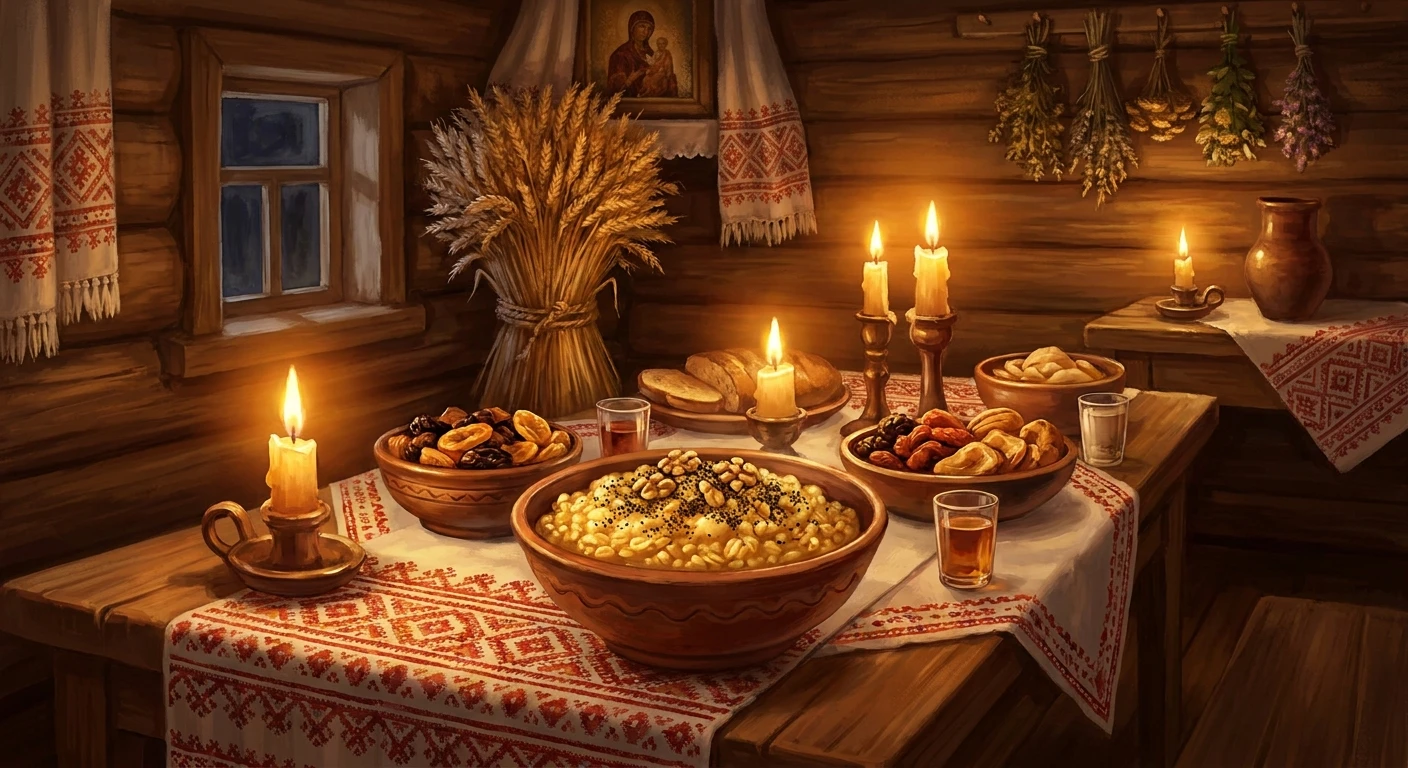
The focal point of the holiday is Sviata Vecheria, or the Holy Supper, which takes place on Christmas Eve. This elaborate meal is steeped in symbolism, strictly adhering to the Nativity Fast, which prohibits meat, dairy, and eggs. Mastering this culinary tradition offers immense value. For families, it creates a tactile connection to ancestral roots. For community organizers, it provides a structured, highly anticipated event that brings people together. Serving an authentic Holy Supper demonstrates a commitment to preserving cultural identity through the universal language of food.
Understanding the fundamental dishes is essential for a successful dinner. Each recipe reflects the agricultural history of the region and carries specific spiritual meaning.
| Traditional Dish | Primary Ingredients | Cultural Symbolism |
|---|---|---|
| Kutia | Boiled wheat berries, poppy seeds, honey, walnuts | Represents immortality, prosperity, and the sweetness of eternal life. |
| Borscht with Vushka | Beetroot broth, wild mushrooms, onion, flour | The deep red color symbolizes blood and vitality, while the mushroom “ears” represent the bounty of the forest. |
| Uzvar | Dried apples, pears, plums, apricots, water | A traditional compote symbolizing a good life, health, and purification. |
To successfully host this event, careful planning is required. The orchestration of the evening follows a strict sequence of events that have been practiced for centuries. Here are the essential steps for observing the traditional Holy Supper:
- Wait for the First Star: The meal cannot begin until the youngest child spots the first star in the evening sky, symbolizing the Star of Bethlehem.
- Set the Table with Hay: A handful of hay is placed beneath the embroidered tablecloth to remember the manger where the Christ child was born.
- Reserve an Empty Setting: One extra plate and glass are placed at the table to honor deceased ancestors and welcome any unexpected guests or travelers.
- Share the Prosphora: Before eating the twelve dishes, the head of the household distributes pieces of blessed bread coated in honey to each family member, wishing them health and peace.
Origins of the Winter Solstice Feasts
The traditions we recognize today trace their roots back thousands of years to pre-Christian agrarian societies. Long before the widespread adoption of Christianity, the people of the region celebrated Koliada, a midwinter festival marking the winter solstice. This festival honored the rebirth of the sun and the gradual lengthening of days. Rituals focused on ensuring a bountiful harvest for the coming year, honoring the spirits of ancestors, and protecting livestock from harsh winter conditions. The agrarian focus on wheat, honey, and dried fruits originated in these ancient practices, utilizing the specific provisions that successfully lasted through the freezing months.
Evolution of Orthodox Celebrations
Following the Christianization of Kyivan Rus in 988, these deep-rooted agricultural customs were not discarded but rather syncretized with Byzantine Christian theology. The ancient songs of Koliada evolved into Koliadky, Christian carols praising the birth of Jesus while still retaining agricultural well-wishes for the household. The sheaf of wheat, known as the Didukh, transitioned from a vessel for ancestral spirits to a symbol of the gathering of the faithful and the presence of God in the home. This blending of seasonal respect for nature with religious devotion created a remarkably resilient cultural tapestry that survived centuries of political upheaval and empire changes.
Modern State of the Holiday Calendar
In recent years, a monumental shift occurred in the national and ecclesiastical approach to the holiday calendar. Seeking to distance itself from the Russian Orthodox Church’s Julian calendar and align closer with European traditions, the state officially moved the national holiday to December 25 starting in 2023. By 2027, this transition is fully normalized. The December date now serves as the undisputed focal point of the winter season, streamlining civic and religious life and fostering a deeper sense of solidarity with the global diaspora who have long celebrated in December.
The Mechanics of the Revised Julian Calendar
The change in the holiday date is not merely a political decision; it is deeply rooted in calendar mechanics and astronomical mathematics. The original Julian calendar, introduced by Julius Caesar, overestimates the length of the solar year by about 11 minutes. Over centuries, this slight miscalculation caused a 13-day drift between the calendar date and the actual astronomical events, such as the vernal equinox. To correct this, scientists and theologians adopted the Revised Julian calendar, proposed by Serbian scientist Milutin Milanković in 1923.
The Revised Julian calendar aligns perfectly with the Gregorian calendar used globally for civic purposes, but it employs a different equation for calculating leap years, ensuring astronomical accuracy until the year 2800. This alignment mathematically secures December 25 as the true date corresponding to the historical traditions of the winter solstice.
Agrarian Botany and Seasonal Timing
The twelve dishes served during the holy evening rely on specific botanical preservation methods designed to sustain populations through freezing temperatures. The nutritional science behind these foods is remarkable. Fermentation, desiccation, and seed preservation form the foundation of the menu.
- Lacto-fermentation of Beets: Traditional borscht uses a fermented beet liquid (kvass), which produces lactic acid bacteria, naturally preserving the vegetables and aiding winter digestion.
- Caloric Density of Poppy Seeds: Poppy seeds provide essential fatty acids, calcium, and magnesium, which were vital nutritional supplements during the harsh, sunless winter months.
- Phytic Acid in Wheat Berries: The soaking and slow boiling of whole wheat berries for Kutia breaks down phytic acid, making the complex carbohydrates and iron highly bioavailable.
- Antioxidant Retention in Uzvar: Sun-drying fruits in the late summer preserves high levels of vitamin C and antioxidants, creating a nutrient-dense broth when rehydrated in winter.
Sourcing Authentic Ingredients Early
To prepare an authentic meal for 2027, planning must begin weeks in advance. Finding high-quality, unprocessed ingredients is crucial. Secure whole wheat berries rather than pearled wheat, as the whole grain maintains the required chewy texture for Kutia. Poppy seeds must be fresh; rancid seeds will ruin the dish. Purchase seeds from specialized spice merchants and grind them yourself using a traditional mortar and pestle or a dedicated spice grinder to release their natural oils just before mixing.
Mastering the Perfect Kutia Recipe
Kutia is the most important dish on the table, and perfecting it is a point of pride. The secret lies in the preparation of the poppy seeds. They must be soaked in boiling water until they swell, then drained and ground until they produce a white, milky liquid. This “poppy milk” binds the wheat berries and honey together. Warm the honey slightly to ensure it coats the grains evenly. Add toasted walnuts for crunch, and let the mixture sit for several hours before serving so the flavors meld perfectly.
Decorating with the Didukh
While evergreen trees are popular, the authentic centerpiece of the holiday is the Didukh. This intricately woven sheaf of wheat, rye, or oats requires craftsmanship. If you cannot purchase one, you can bind your own by gathering long-stemmed wheat stalks. Group them into small bundles representing the months of the year, then braid the base together so the sheaf can stand upright on its own. Place it in the corner of the dining room beneath traditional religious icons (the Pokut), where it remains until the Feast of the Epiphany.
Organizing a Caroling Group
Caroling, or Koliaduvannia, is an interactive community tradition. Assemble a group of friends or family members and assign specific roles. You will need a star-bearer ( звіздар ) who carries a large, illuminated wooden star on a pole, and a bell-ringer to announce the group’s arrival. Practice standard carols like “Dobryi Vechir Tobi” (Good Evening to You) and “Boh Siasia Rozhdaie” (God is Born). Prepare small bags to collect treats or donations, which are traditionally given by households in exchange for the sung blessings.
Myths & Reality
Myth: Ukrainian Christmas is only celebrated in January.
Reality: While January 7 was widely observed for decades due to the Russian Orthodox Church’s influence and the Julian calendar, the official state and primary religious observance has successfully shifted to December 25, firmly re-establishing this date for the 2027 season and beyond.
Myth: The traditional twelve dishes must include large roasts and sausages.
Reality: The Holy Supper on Christmas Eve is strictly vegan or pescatarian. It marks the final day of the Nativity Fast. Meat and dairy are only consumed the following day, on Christmas morning.
Myth: The Didukh is a purely Christian symbol representing the nativity manger.
Reality: The Didukh is a pre-Christian agrarian symbol representing the spirits of the ancestors (Didukh literally translates to “grandfather spirit”) and the survival of the family through the winter harvest.
Myth: Kutia is just a simple porridge.
Reality: Kutia is a highly symbolic, ceremonial dish requiring specific preparation of whole grains and poppy seeds, eaten exclusively during winter holidays and memorial services to symbolize eternal life.
Frequently Asked Questions
When is Ukrainian Christmas 2027?
The official state and primary ecclesiastical celebration falls on December 25, 2027.
What is Sviata Vecheria?
It is the traditional Holy Supper held on Christmas Eve, consisting of exactly twelve meatless dishes.
Why are there exactly twelve dishes?
The twelve dishes symbolize the twelve apostles of Christ, as well as the twelve months of the year.
What is the most important dish on the table?
Kutia, a sweet pudding made of wheat berries, poppy seeds, and honey, is the centerpiece of the meal.
Who brings the gifts?
Traditionally, Saint Nicholas brings gifts earlier in the month on December 6, though families also exchange presents on Christmas Day.
What is a Didukh?
A Didukh is a woven sheaf of grain placed in the home to honor ancestors and ensure a good harvest.
Are carols a big part of the tradition?
Yes, caroling (Koliaduvannia) is a vibrant tradition where groups visit homes singing ancient songs for blessings and treats.
Can I use meat in the Christmas Eve borscht?
No, the traditional Christmas Eve borscht must be made with a vegetarian mushroom or vegetable broth to adhere to the fast.
Conclusion
The arrival of Ukrainian Christmas 2027 brings a profound opportunity to engage with traditions that have survived and adapted through centuries of history. By understanding the intricate preparations, the scientific and agrarian roots of the holiday foods, and the modern calendar alignment, you can host a celebration that is both historically accurate and deeply moving. Whether you are sourcing wheat for your Kutia, weaving a Didukh, or rehearsing Koliadky, these actions keep a vibrant cultural heritage alive. Start planning your December 25 celebration today, and subscribe to our cultural heritage newsletter for more detailed recipes and historical insights to make your holiday season truly unforgettable.