Why You Need to Worry About the bradford pear tree
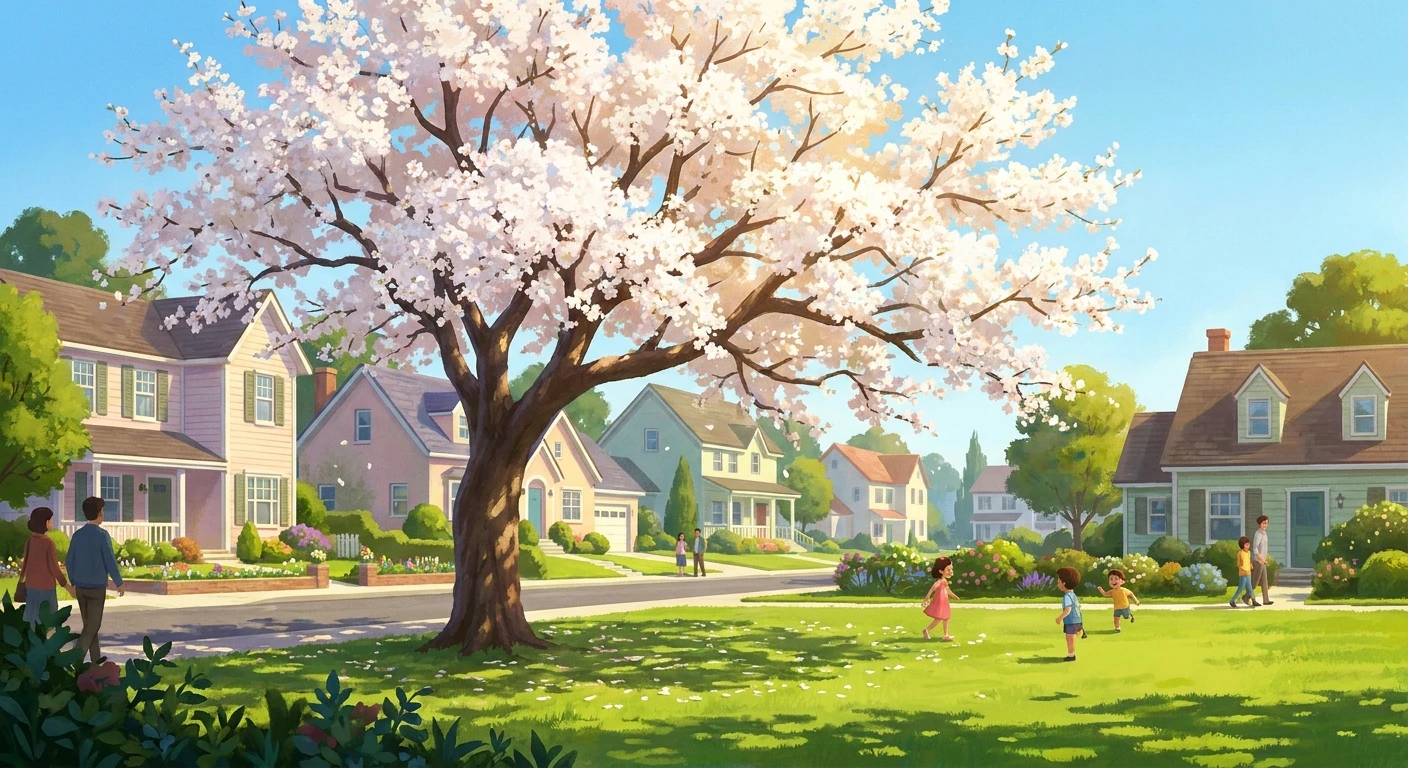
Let me tell you about the bradford pear tree and why literally everyone is suddenly talking about cutting it down. If you walk outside in early spring and get hit by a bizarre smell that resembles rotting fish or a dirty gym sock, you already know exactly what I am talking about. Back home in Ukraine, specifically in places like Uzhhorod, we celebrate the arrival of spring with stunning, sweet-smelling cherry blossoms. The streets come alive with beautiful pink flowers that actually smell incredible and bring the community together. But here in North America, the suburban landscape is dominated by a completely different beast. When I first noticed this tree lining neighborhood streets, I thought it looked pretty enough from a distance. Then I walked closer, and the reality hit me—literally right in the nose. The bradford pear tree is not just a nuisance; it is an active threat to local ecosystems, property values, and your sanity. My goal today is to explain exactly why this specific tree went from a landscaping favorite to public enemy number one. We are going to look closely at the damage it causes, the hidden costs of keeping one in your yard, and a complete game plan for getting rid of it for good.
The fundamental problem with this tree goes way beyond its terrible odor. It is an ecological disaster waiting to happen in your own front yard. To really understand the scope of the issue, we need to break down the actual benefits versus the massive harms.
Read also: Secrets Of The Junebug Bug Revealed; How to Get Rid of Skunk Smell on Dog Fast.
| Feature | What You Expected | The Harsh Reality |
|---|---|---|
| Spring Flowers | Beautiful white blooms everywhere | Overwhelming smell of rotting fish |
| Tree Structure | Sturdy, reliable shade tree | Branches snap and crash on cars easily |
| Environment | Nice addition to local nature | Highly invasive weed taking over local forests |
When you look at the value proposition of removing it, the choice becomes obvious. Example one: Property safety. By cutting this tree down, you immediately remove the risk of a massive branch crushing your car or punching a hole through your roof during a summer storm. Example two: Ecological restoration. Replacing this tree with a native species brings back local butterflies, bees, and birds that actually belong in your neighborhood. There are a few core reasons why arborists hate this plant:
- The wood has a terribly weak structural integrity that guarantees breakage.
- It cross-pollinates to create thorny, impenetrable thickets in wild forests.
- The chemical compounds in the flowers produce a genuinely nauseating smell.
These trees offer zero high-quality nutritional value to local wildlife, acting instead like a fast-food trap for invasive starlings that spread their seeds everywhere.
The Innocent Origins
Believe it or not, there was a time when the bradford pear tree was considered a miracle of modern landscaping. Back in the early 1960s, the United States Department of Agriculture heavily promoted this tree. They brought it over from Asia because it showed an incredible resistance to fire blight, a disease that was absolutely devastating commercial pear orchards at the time. Urban planners absolutely loved it. It grew incredibly fast, it tolerated terrible city soil, and it didn’t seem to have any natural pests. For a couple of decades, developers planted them in front of almost every newly built suburban home.
The Evolution of a Menace
But nature always finds a way to ruin a perfect plan. Originally, these trees were bred to be sterile. They were grafted clones, meaning they couldn’t reproduce with each other. Planners thought they had created the perfect, contained ornamental tree. However, nurseries eventually started introducing other varieties of the Callery pear to increase disease resistance and extend the blooming season. That was the fatal mistake. The bradford pear tree suddenly realized it could cross-pollinate with these new varieties. Almost overnight, the sterile clones began producing viable seeds. Birds ate the small fruits, flew into native forests, and deposited the seeds.
The Modern State in 2026
Now that we are solidly in 2026, the situation has escalated from a minor nuisance to a full-blown ecological crisis. The offspring of these trees revert to their wild state, growing massive thorns that can puncture tractor tires. State governments have finally had enough. Several states have officially banned the sale, propagation, and planting of the bradford pear tree entirely. By 2026 standards, modern landscaping focuses heavily on native ecology, and this invasive species is at the absolute top of the removal list for urban forestry departments.
Understanding V-Crotch Branching
Let’s talk about the actual physics and biology of why this tree is so dangerous to your property. The main structural flaw lies in something arborists call “V-crotch branching.” Unlike a sturdy oak tree that grows branches at wide, horizontal angles (creating a strong U-shape), this tree grows its branches at very tight, vertical V-shaped angles. As the branches grow thicker, they literally push against each other. Included bark gets trapped between the branches, meaning there is no actual solid wood connecting them to the main trunk. When a heavy wind or an ice storm hits, leverage takes over. The branches simply peel off the trunk, splitting the tree right down the middle with a loud crack.
The Cross-Pollination Loophole
The genetic side of this disaster is equally fascinating. The chemical responsible for that awful dead-fish smell is called trimethylamine. It’s an organic compound that actually mimics the scent of decaying matter to attract specific types of flies and beetles for pollination, rather than the bees and butterflies that native plants attract. Here are some quick scientific facts about what makes this tree so stubborn:
- The wild offspring produce thorns up to four inches long to protect themselves from herbivores.
- They form dense monocultures that completely block sunlight, starving native plants on the forest floor.
- The root system is incredibly aggressive and can send up new shoots even after the main tree is cut down.
- The fruits are high in sugar but low in fat, providing junk-food energy to birds rather than the essential nutrients they need for migration.
Day 1: Identify the Culprit in Your Yard
If you suspect you have one of these trees, your first step is proper identification. Look for the classic teardrop or lollipop shape. In early spring, check for those dense white flower clusters and that unmistakable fishy odor. The leaves will be dark green, shiny, and have wavy edges. Do not wait for a storm to prove you have a weak tree.
Day 2: Consult a Certified Arborist
Don’t just hire a random guy with a chainsaw. You need to consult a certified arborist who understands the specific hazards of removing a bradford pear tree. Because the wood is so prone to snapping unpredictably, taking it down requires careful rigging. Get three different quotes and make sure they include stump grinding in the final price.
Day 3: Schedule the Takedown
Clear the area around the tree. Move your cars, outdoor furniture, and delicate potted plants. Inform your neighbors if the tree sits close to the property line. These trees come down fast, but the cleanup takes significant time because of the sheer volume of small, messy branches.
Day 4: Grind the Stump Properly
This is a non-negotiable step. If you just cut the tree flush to the ground, the aggressive root system will panic and send up dozens of zombie shoots all over your lawn. The stump must be ground down at least six to eight inches below the soil surface to destroy the primary growth nodes.
Day 5: Treat the Soil and Roots
Even with the stump ground down, you might see small suckers popping up from the remaining roots. You need to pull these immediately or treat them with a targeted herbicide specifically designed for woody brush. Keep a close eye on the area for the rest of the growing season.
Day 6: Choose a Native Alternative
This is the fun part. You get to replace an invasive nightmare with something beautiful and native. Depending on your region, look into planting an Eastern Redbud, a Flowering Dogwood, or a Serviceberry. These trees provide gorgeous spring flowers, they smell wonderful, and they actively support your local ecosystem.
Day 7: Plant and Maintain Your New Tree
Dig a hole twice as wide as the root ball of your new native tree, but no deeper. Plant it, mulch the base (leaving space around the trunk so it doesn’t rot), and water it deeply. You have just upgraded your yard, protected your house from falling branches, and done a massive favor for local wildlife.
There is a lot of misinformation out there about these trees. Let’s clear up the biggest misconceptions right now.
Myth: They are excellent shade trees that increase property value.
Reality: They are a massive liability. Smart homebuyers and home inspectors actively flag them as hazards because they know a strong wind will eventually snap them in half, leading to expensive roof repairs.
Myth: The trees are completely sterile so they can’t spread.
Reality: This hasn’t been true for decades. They cross-pollinate with any nearby Callery pear variant, creating highly aggressive, fertile offspring that are currently destroying native forests across the continent.
Myth: The white flowers are great for local bees.
Reality: The flowers emit amines that attract flies, not bees. They do almost nothing to support the crucial pollinator populations that our local food systems actually rely on.
Can a bradford pear tree be saved or pruned to be safe?
No amount of pruning can fix the terrible V-crotch genetics of this tree. You can thin the canopy to reduce wind resistance, but the structural flaw is built into the trunk. Removal is the only permanent solution.
How much does removal usually cost?
Depending on the size of the tree and its proximity to your house, removal generally costs anywhere from $500 to $1,500. While that sounds expensive, it is significantly cheaper than replacing a crushed car.
What exactly does the tree smell like?
Most people describe the odor as rotting fish, unwashed gym clothes, or decaying organic matter. It is caused by the chemical trimethylamine.
Are the small fruits edible for humans?
Technically they are not highly toxic, but they are incredibly hard, bitter, and completely inedible for humans. Even most native animals avoid them unless they are desperate.
Why do the branches break so easily?
They grow at steep, vertical angles rather than wide, horizontal ones. This causes bark to get trapped between the branch and the trunk, preventing a solid wood connection.
Is it illegal to plant them now?
In many states, yes. States like Ohio, South Carolina, and Pennsylvania have enacted strict bans on the sale and cultivation of these trees due to their invasive nature.
What is the absolute best replacement tree?
The Eastern Redbud or the Serviceberry are fantastic alternatives. They offer stunning spring blooms, they stay relatively small, their branches are incredibly strong, and they smell absolutely wonderful.
Listen guys, holding onto a bradford pear tree simply isn’t worth the risk to your home or the damage it does to our environment. We all want a beautiful yard, but this specific tree is a ticking time bomb of weak wood and foul smells. Do yourself, your neighbors, and the local ecosystem a huge favor. Pick up the phone today, call a certified arborist, and get that hazard removed from your property. Plant a native tree instead, and enjoy a beautiful, safe, and incredible-smelling spring next year!