Understanding the Core Philosophy of Invictus Golf
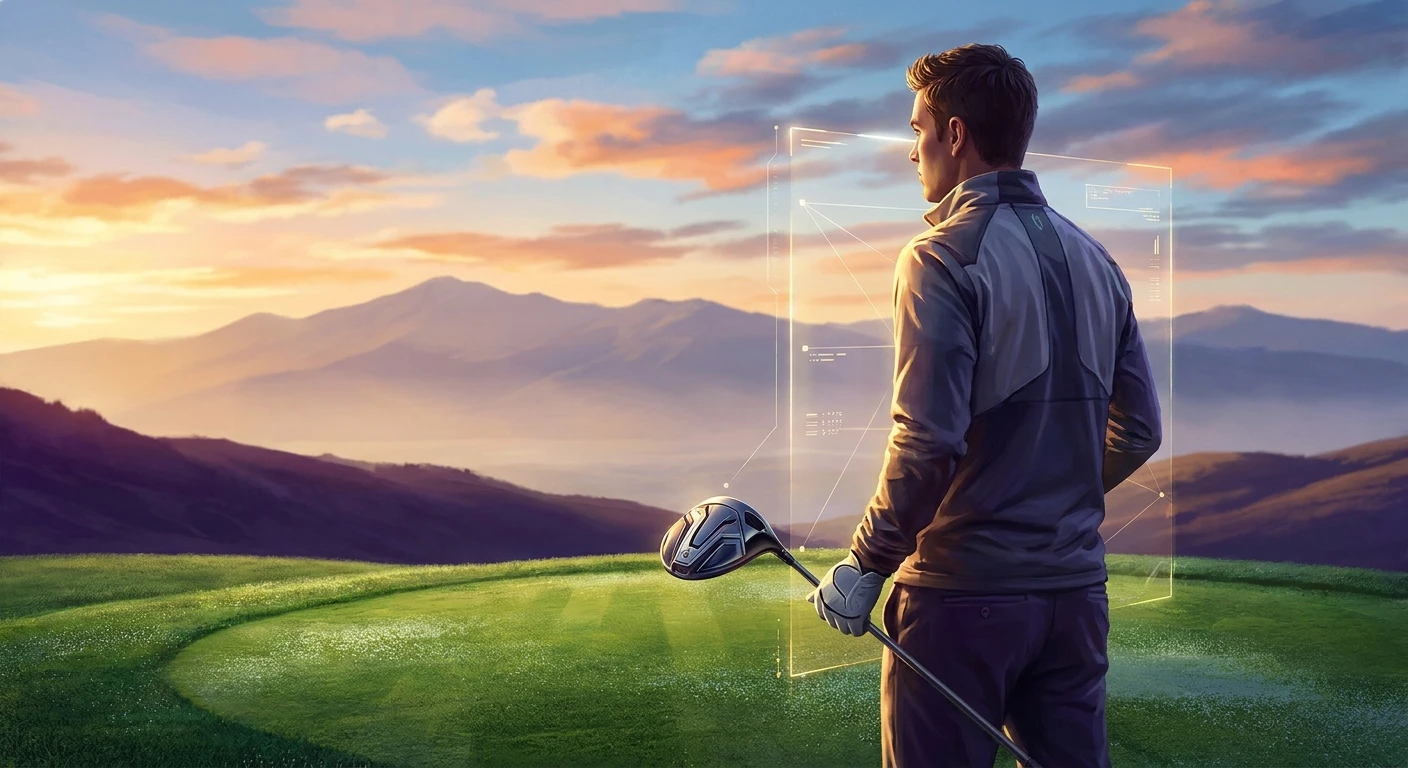
When we look closely at how adaptive sports reshape recovery journeys, Invictus Golf stands out as a powerful catalyst for physical and mental resilience. The concept takes the traditional game of golf and modifies it to suit the biomechanical and psychological needs of individuals overcoming severe physical trauma, amputations, or neurological conditions. The word itself means unconquered, and this specialized approach to the fairway embodies that exact spirit. The fundamental thesis is straightforward: adaptive golf is not merely a recreational pastime; it is a highly structured mechanism for neurological repatterning, muscular rehabilitation, and psychological recovery. By breaking down the complex kinetic chain of a golf swing into manageable, modifiable components, players reconstruct their spatial awareness and physical confidence.
This requires a unique blend of specialized coaching, adaptive technology, and a robust support network. Whether a player is utilizing a single-handed swing technique, employing a specialized mobility cart, or navigating the psychological hurdles of trauma on the course, the framework provided by this methodology offers a clear path forward. The objective remains focused on lowering the barrier to entry while maximizing the therapeutic benefits of the sport. Every session on the driving range or the putting green serves a dual purpose: improving athletic performance and reinforcing daily functional mobility. Through precise, repetitive movements, athletes regain command over their bodies, proving that physical limitations do not dictate athletic potential.
Read also: Mastering Ezra Healing for Holistic Wellness; Fort Whyte Orthopedics: Advanced Joint & Muscle Care.
The Multi-Faceted Benefits of Adaptive Fairway Training
The direct benefits of this adaptive approach extend far beyond the scorecard. The value proposition of engaging in modified golfing techniques centers on two primary outcomes: physiological stabilization and cognitive recalibration. For instance, an athlete using a prosthetic lower limb develops enhanced proprioception by learning to shift weight dynamically during the swing. Another example involves players with spinal cord injuries who utilize specialized standing carts; they experience improved cardiovascular circulation and bone density through assisted weight-bearing exercises directly integrated into the game.
| Adaptive Strategy | Physiological Benefit | Cognitive/Mental Benefit |
|---|---|---|
| Single-Arm Swing Dynamics | Core stabilization and unilateral muscle strengthening | Enhanced focus and spatial problem-solving |
| Assisted Mobility Carts (ParaGolfer) | Upright weight-bearing and improved circulation | Restored eye-level social interaction and confidence |
| Custom Grips and Shaft Modifications | Reduced joint strain and improved fine motor control | Lowered frustration barriers and sustained engagement |
To successfully integrate these adaptive methods, coaches and players follow a structured progression system. Here are the core phases of engagement:
- Biomechanical Assessment: Evaluating the player’s current range of motion, balance centers, and weight-bearing capacity to determine necessary equipment modifications.
- Equipment Customization: Fitting the athlete with specialized grips, altered shaft flexes, or securing access to all-terrain mobility devices designed for greens.
- Kinetic Repatterning: Training the nervous system to execute a modified swing that maximizes available muscle groups without risking secondary injuries.
- Course Strategy Adaptation: Teaching the player how to navigate bunker slopes, uneven lies, and green reading based on their specific mobility constraints.
The Origins of Adaptive Sporting Movements
The roots of using golf as a rehabilitation tool trace back to the mid-twentieth century, specifically following major global conflicts where large populations of veterans faced complex amputations and mobility challenges. Early medical professionals recognized that the quiet, focused nature of the golf course provided an ideal environment for physical therapy. Initially, modifications were crude, often relying on heavy wooden prosthetics and rudimentary grip taping. However, the foundational idea was cemented: striking a stationary ball required balance, timing, and torque, all of which were critical components of regaining independent mobility. The sport demanded walking on uneven terrain, which accelerated the rehabilitation of lower-limb amputees far better than sterile hospital corridors.
The Evolution of Specialized Golf Programs
As sports science advanced through the late twentieth century, the methodology shifted from basic recreation to structured biomechanical science. The introduction of lightweight composite materials revolutionized prosthetics, allowing for dynamic energy return during the golf swing. Specialized clinics began forming, focusing on the physics of golf for bodies missing standard anatomical levers. Engineers developed the first iterations of adaptive golf carts, which allowed paralyzed individuals to be raised into a standing position to swing a club. This era marked a shift from mere participation to genuine athletic competition, fostering organized leagues and adaptive tournaments that demanded rigorous practice and skill development.
The Modern State of Invictus Golf Applications
Today, the landscape of adaptive golf is highly sophisticated. Integrated sensor technology and high-speed motion capture allow coaches to analyze the modified kinetic chains of adaptive athletes with pinpoint accuracy. The modern approach focuses heavily on neuroplasticity, using the game to help stroke survivors and individuals with traumatic brain injuries rebuild neural pathways. Global networks of certified adaptive coaches now exist, ensuring that a player anywhere can receive standardized, safe, and effective instruction. The sport is fully recognized as a highly competitive discipline, featuring global championships where athletes utilize state-of-the-art titanium prosthetics and highly customized carbon-fiber clubs tailored exactly to their unique biomechanics.
Biomechanics of an Adaptive Swing
Executing a golf swing without traditional anatomical mechanics requires a deep understanding of physics and compensatory muscle activation. The standard golf swing relies heavily on ground reaction forces generated through the legs, transferring energy up through the hips, torso, and eventually the arms. When a player lacks lower body mobility or plays from a seated position, the torque generation must completely shift. Coaches teach athletes to maximize shoulder turn and utilize the latissimus dorsi and oblique muscles to create rotational speed. For players with upper extremity amputations, the focus shifts to utilizing the remaining limb to control the clubface, often employing custom-molded grips that lock the club into place, making the arm and the shaft a single, continuous lever. This requires immense core stability to prevent the body from swaying off the ball during the downswing.
Neurological Benefits of Precision Sports
The mental requirements of targeting, distance calculation, and swing sequencing provide profound neurological benefits. Engaging in this level of precision sport actively fights cognitive decline and assists in rewiring the brain after trauma.
- Proprioceptive Recalibration: The brain continuously maps the body’s position in space. Swinging a club with modified mechanics forces the nervous system to build new maps, improving overall daily balance.
- Dopaminergic System Activation: Striking the ball purely triggers a reward response in the brain, releasing dopamine and helping combat the depression often associated with severe injuries.
- Cortisol Regulation: The outdoor environment, combined with focused, repetitive tasks, significantly lowers baseline cortisol levels, providing measurable relief for individuals managing post-traumatic stress.
- Neuroplasticity Enhancement: Learning a completely new motor skill—like a single-handed swing—forces the creation of new synaptic connections, improving cognitive flexibility and processing speed.
Day 1: Baseline Biomechanical Assessment
The first step in any adaptive golf protocol is a comprehensive physical assessment. The coach evaluates range of motion, structural limitations, and core stability. This is not about evaluating golf skill, but rather understanding how the body moves in its current state. Data is gathered regarding weight-bearing thresholds and joint flexibility to ensure that the eventual swing model will not cause strain or secondary injury.
Day 2: Grip Modification Strategy
The only connection to the golf club is the hands, or in adaptive cases, the specific prosthetic or specialized grip device. Day two focuses entirely on securing this connection. Players experiment with oversized grips, Velcro-assisted gloves, or molded attachments. The goal is to achieve a secure hold that allows for wrist hinge without causing friction burns or excessive tension in the forearms.
Day 3: Seated or Stance Stability Setup
Posture dictates the swing path. For ambulatory players, this means finding a stance width that accommodates prosthetics or balance issues. For seated players, it involves adjusting the straps and angles of the adaptive cart. The objective is to establish a solid foundation that resists the rotational forces of the swing, keeping the head behind the ball through impact.
Day 4: Core Rotation and Torque Generation
With the grip and stance secured, training moves to movement. Because many adaptive athletes cannot use ground forces traditionally, they must learn to coil their upper torso efficiently. Drills focus on rotating the shoulders around a stable spine angle. Resistance bands are often used to build the specific oblique strength required to pull the club down into the impact zone.
Day 5: Short Game Precision Training
Chipping and putting require immense touch and fine motor control. Day five scales down the swing to focus strictly on contact and distance control. This is often where adaptive players find their greatest early success, as the short game relies less on raw power and more on rhythm and green reading. It builds confidence and establishes the feeling of a square clubface at impact.
Day 6: Full Swing Kinetic Integration
This phase brings all the previous elements together into a full, dynamic motion. Players practice linking the backswing, the transition, and the follow-through into a seamless kinetic chain. Video analysis is heavily utilized here to identify power leaks or balance issues. The focus remains on a smooth tempo rather than raw clubhead speed, ensuring the modified mechanics hold up under pressure.
Day 7: On-Course Spatial Navigation
The final phase moves the player off the driving range and onto the actual golf course. Hitting off flat, perfect turf is vastly different from managing side-hill lies or thick rough. Day seven teaches course management, spatial awareness, and how to safely maneuver adaptive carts around hazards and greens. It is about applying the newly built mechanics in a real-world, unpredictable environment.
Myths and Realities of Adaptive Fairway Play
Myth: You need expensive, fully customized clubs before you can start learning.
Reality: Most beginners start with standard clubs that have minor, inexpensive grip modifications. Complex custom shafts and lie angles are only necessary once a consistent, repeatable swing has been established.
Myth: This format is exclusively for military veterans or elite para-athletes.
Reality: Adaptive programs are open to anyone facing physical or cognitive challenges, regardless of their background. From stroke survivors to individuals with multiple sclerosis, the sport scales to the individual’s specific capabilities.
Myth: You need perfect independent balance to play effectively.
Reality: Advanced technology, including specialized mobility devices and standing carts, entirely eliminates the need for independent lower-body balance, allowing paralyzed individuals to compete at a high level.
Myth: The rules of the game are completely different and easier.
Reality: The governing bodies of golf provide specific, formalized modifications to the rules for players with disabilities, but the core challenge, scoring, and integrity of the game remain exactly the same.
What is the primary focus of adaptive golf training?
The primary focus is modifying the biomechanics of the golf swing to safely and effectively accommodate an individual’s physical limitations, utilizing the sport for both physical rehabilitation and mental health recovery.
Do I need custom clubs immediately?
No. Initial training usually involves standard equipment with minor, temporary adjustments like specialized tape or larger grips. Custom club fitting happens later in the development process.
How does this help with cognitive recovery?
The game requires intense focus, spatial awareness, and strategic planning. This repetitive cognitive engagement helps rebuild neural pathways, improve attention spans, and lower stress hormones.
Can visually impaired players participate?
Absolutely. Visually impaired golfers play with the assistance of a guide who helps align the clubhead and describes the distance and layout of the hole, relying heavily on the player’s kinesthetic awareness.
Are there specialized carts available?
Yes, devices like the ParaGolfer are engineered to safely lift a seated individual into a secure, upright standing position, allowing them to execute a standard golf swing on the turf.
How does a seated swing generate power?
Power in a seated swing is generated entirely through core rotation, shoulder turn, and the leveraging of the arms, effectively bypassing the need for lower-body ground reaction forces.
Where can I find certified adaptive coaches?
National golf associations and specialized adaptive sports organizations maintain directories of PGA professionals who have completed specific certifications in adaptive training techniques.
Does insurance cover adaptive golfing equipment?
While standard golf clubs are not covered, specialized adaptive mobility devices like standing carts are sometimes partially covered by medical insurance or veteran affairs programs if prescribed for physical therapy.
The landscape of physical rehabilitation is constantly evolving, and sports-based therapies are leading the charge. By embracing the structured, highly technical approach outlined above, athletes can bypass traditional limitations and reclaim their active lifestyles. Do not let physical barriers dictate your athletic journey; seek out a certified adaptive coach in your region and start building your physical resilience on the fairway today.